A Better Outlook
““...the view from that lookout… in connection with its historic associations, I consider that it presents the grandest scenery that I know of in America.”
”
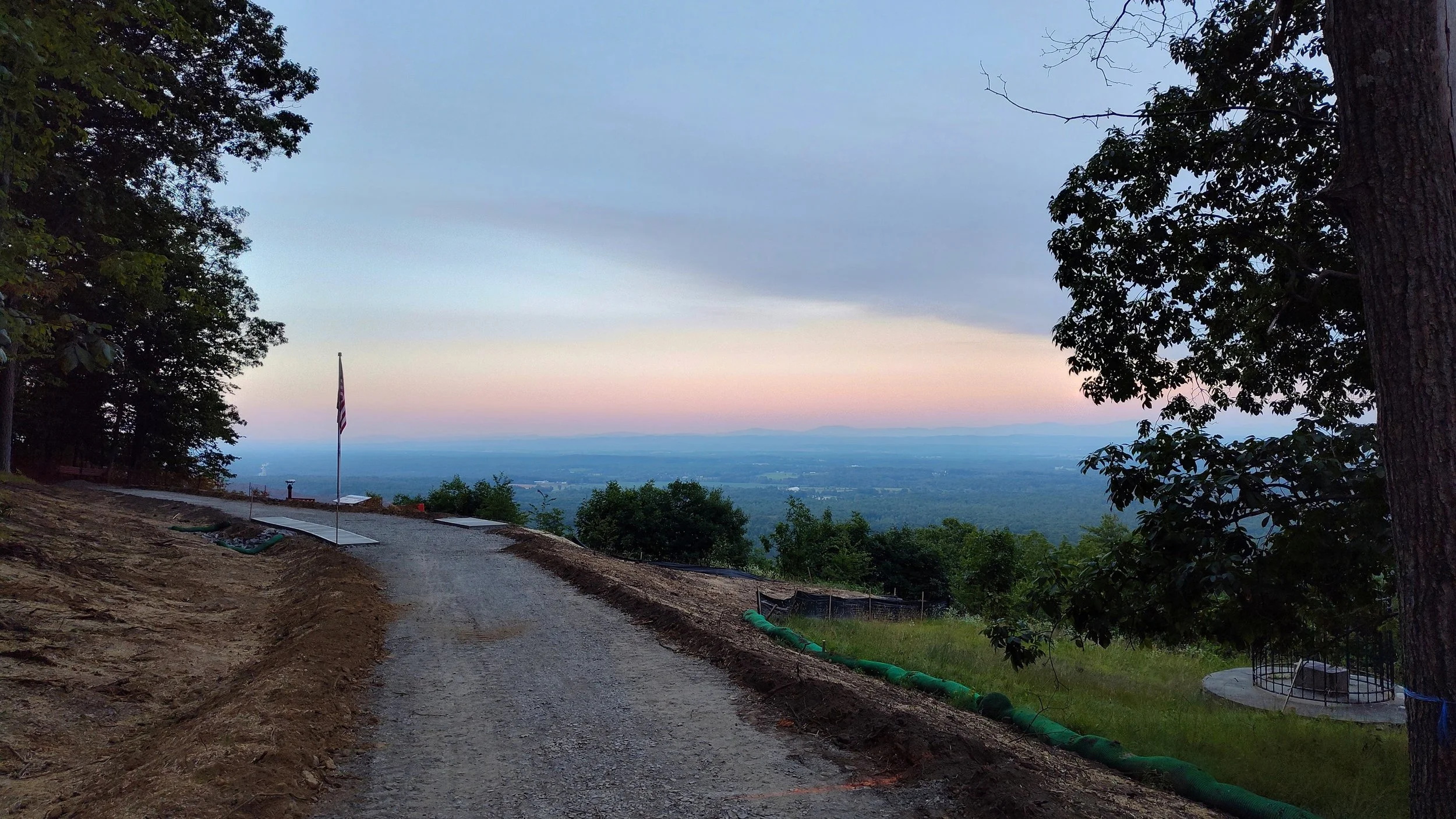
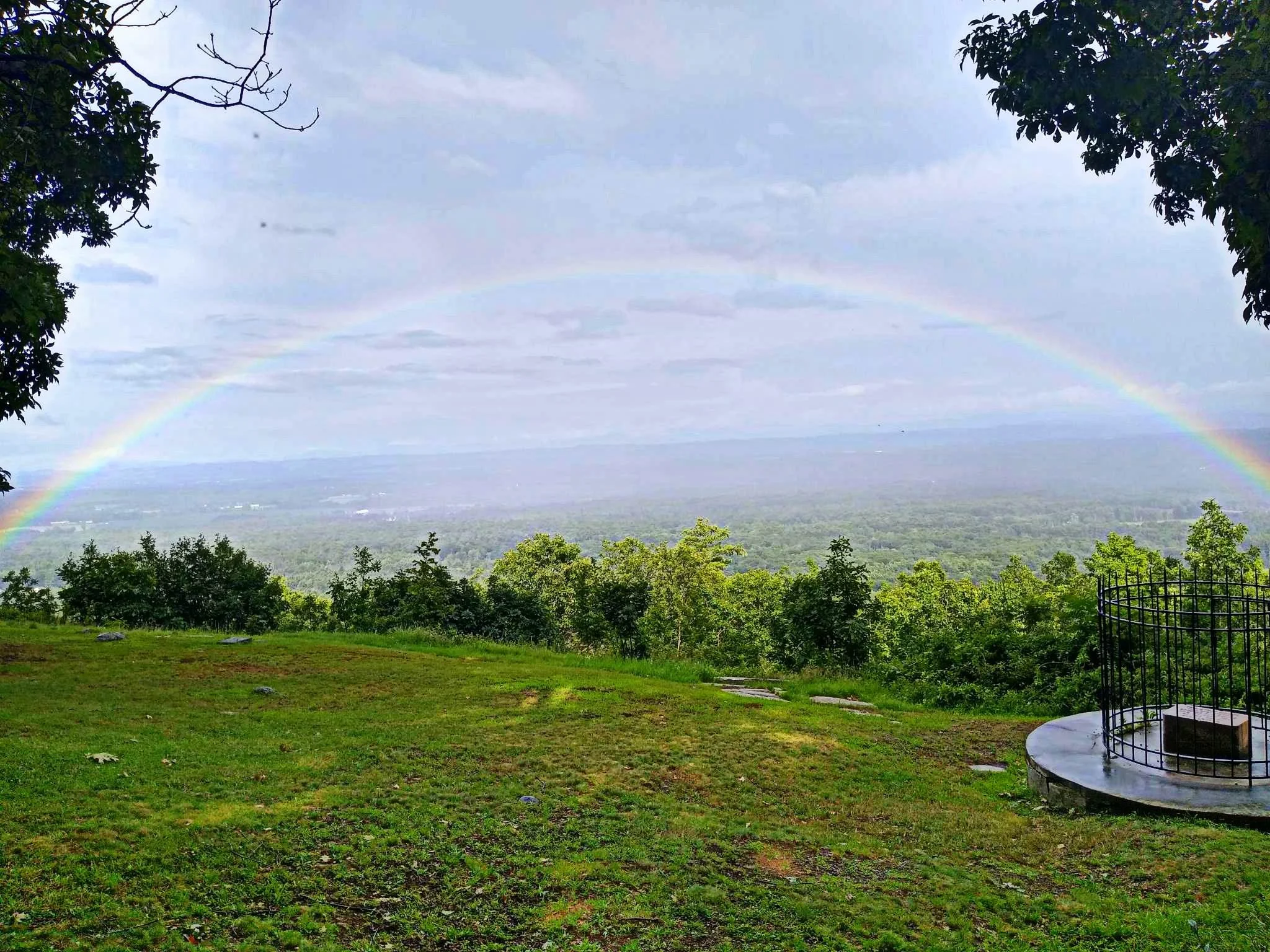
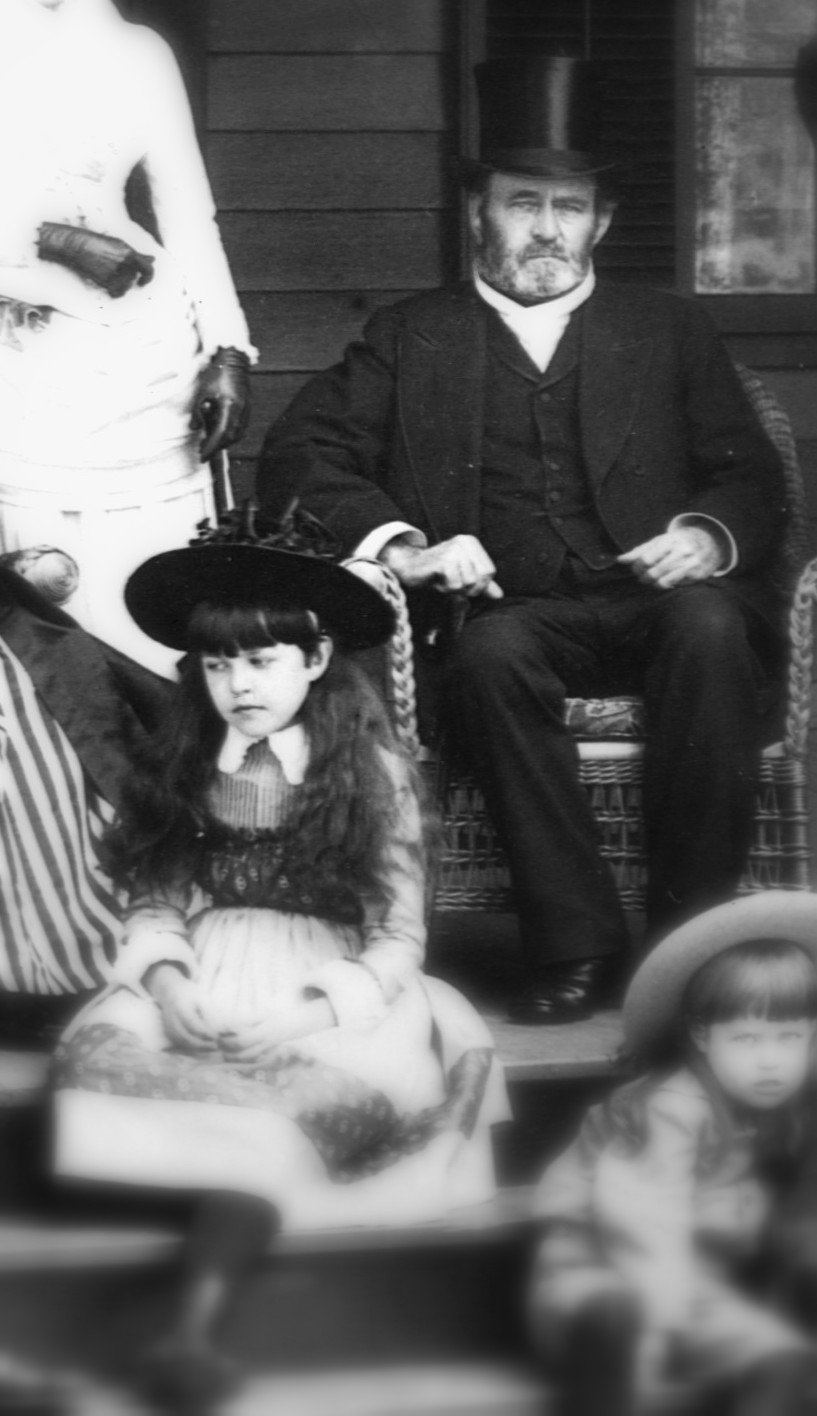
The Eastern Overlook on Mount McGregor has awed visitors for over 150 years. From a literary giant to a dying U.S. President, the breathtaking view has drawn thousands. In the summer of 1885, the charms of the mountain helped Ulysses S. Grant’s nine-year-old granddaughter, Julia, truly appreciate nature for the first time. She remembered accompanying her grandfather to the viewpoint and how they would spend a precious, carefree moment together:
““I loved that view myself, and always felt the silent man was in sympathy, for when I would exclaim my pleasure at its splendor and turn to him with a ‘Don’t you like it, too, grandpapa?’ he would nod, and smile with his eyes, quite in the old way; and I forgot, childlike, how ill he really was.””
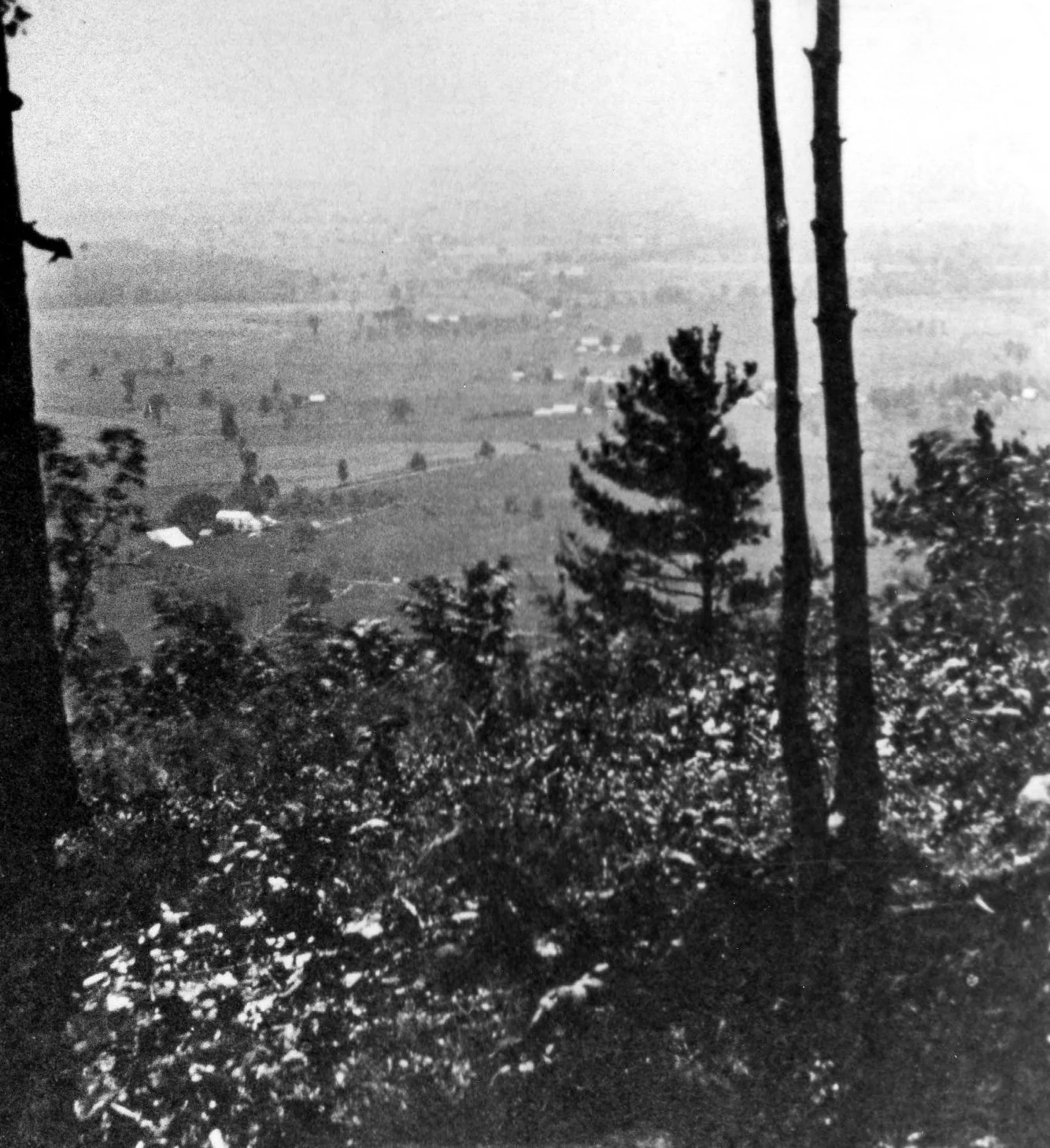
The origin of the clearing, known first as the Eastern Outlook, is uncertain. Tales of the mountain’s use as an observation or communication post during colonial times are plausible but unconfirmed. It may have been a natural clearing on the eastern slope of the hill that was further cleared to open a wider view. By the time Duncan McGregor had the first carriage road built up the mountain in 1872, the viewpoint was a special feature. Omnibuses (large, enclosed horse-drawn carriages) carried visitors on a steep and windy journey from nearby Saratoga Springs in a nearly two-hour journey of anticipation, culminating in a stop at the stunning vista. Eventually, McGregor’s modest resort grew to become a luxury destination featuring a railroad and a 100-room hotel, but the overlook remained a mainstay of the mountain with advertisements touting its incredible views in romantic and poetic Victorian prose.
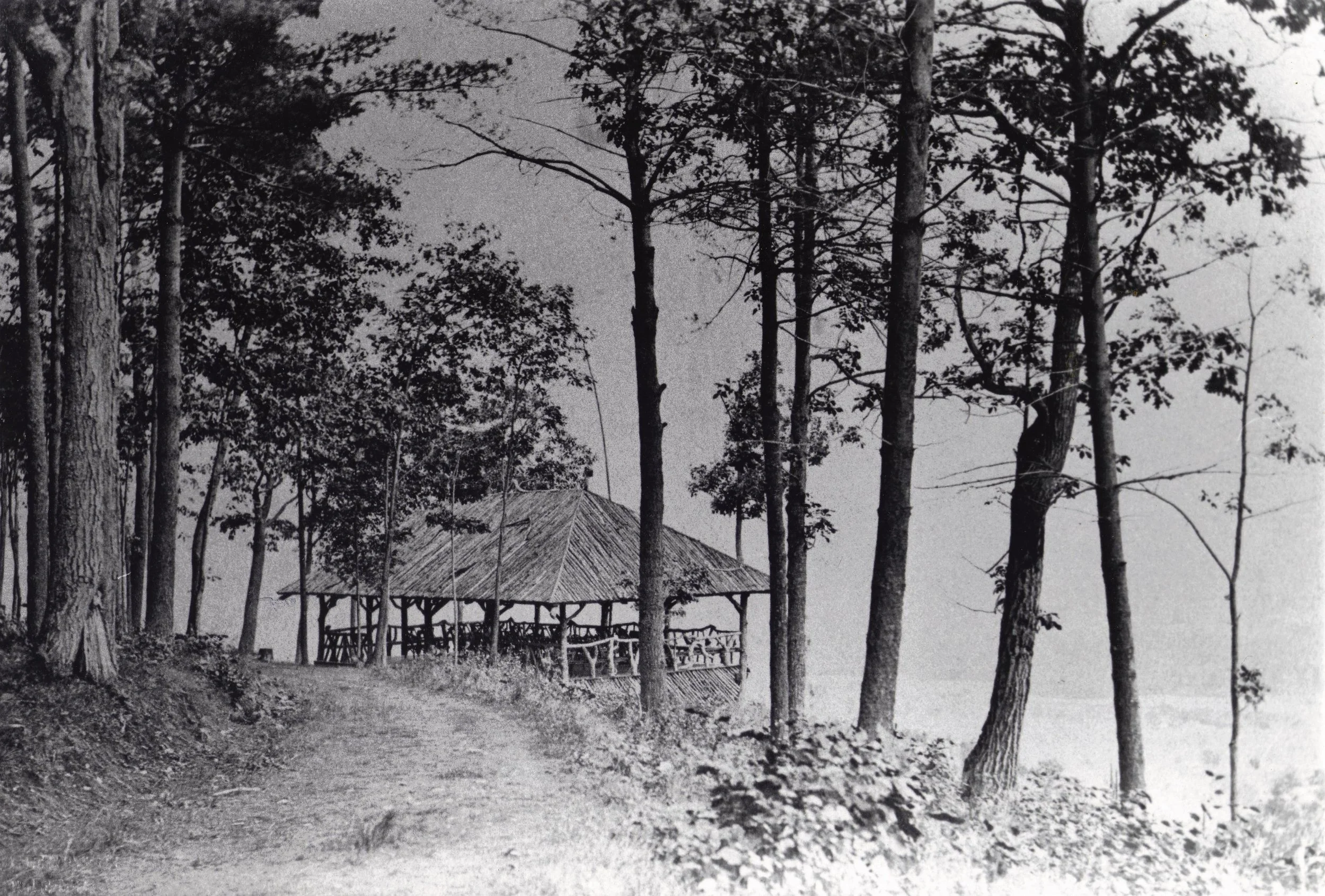
A “summer house” or rustic Adirondack-style gazebo was built to offer shade and seating to sightseers wishing to linger on the lofty perch, enjoying the panorama below. The modern view differs significantly from the Victorian-era, as the patchwork of fertile farms, is now more heavily forested, with evidence of modern life visible. Despite the changes the view retains its awe-inspiring effect as the mountains, lakes and forests vastly outweigh the modern intrusions. Despite a century and a half, modern visitors see much of what early visitors once did, due to the dramatic ancient geology of the mountains and valley.
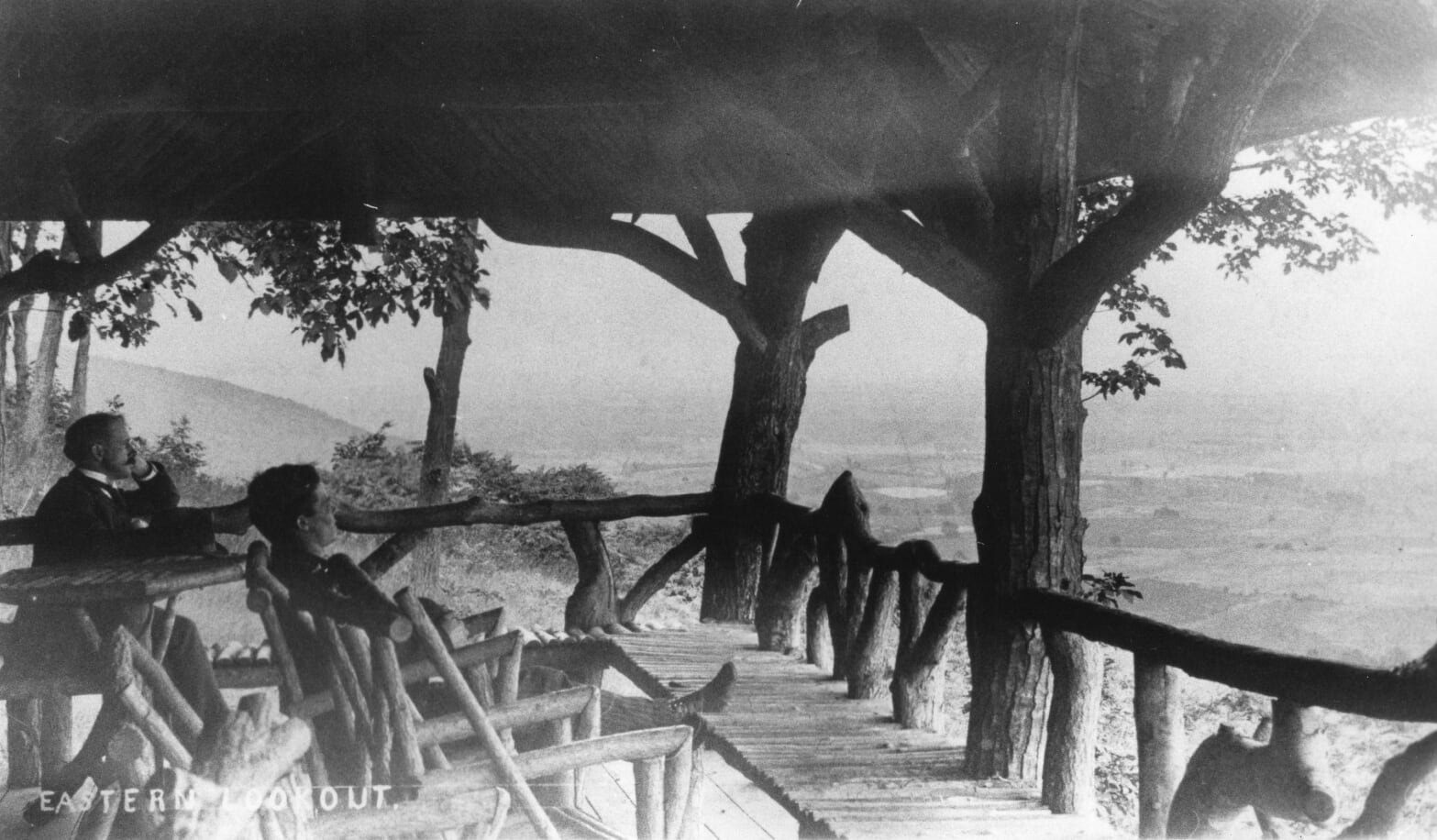
More than once, Grant visited the Hotel Balmoral a short distance from the cottage and took in the views there. Something about the Eastern Outlook must have drawn him to that place even more as on July 20th, restless after finishing his memoirs, Grant wrote to Dr. Douglas: “What do you think of my taking the bath wagon and going down to overlook the south view?”
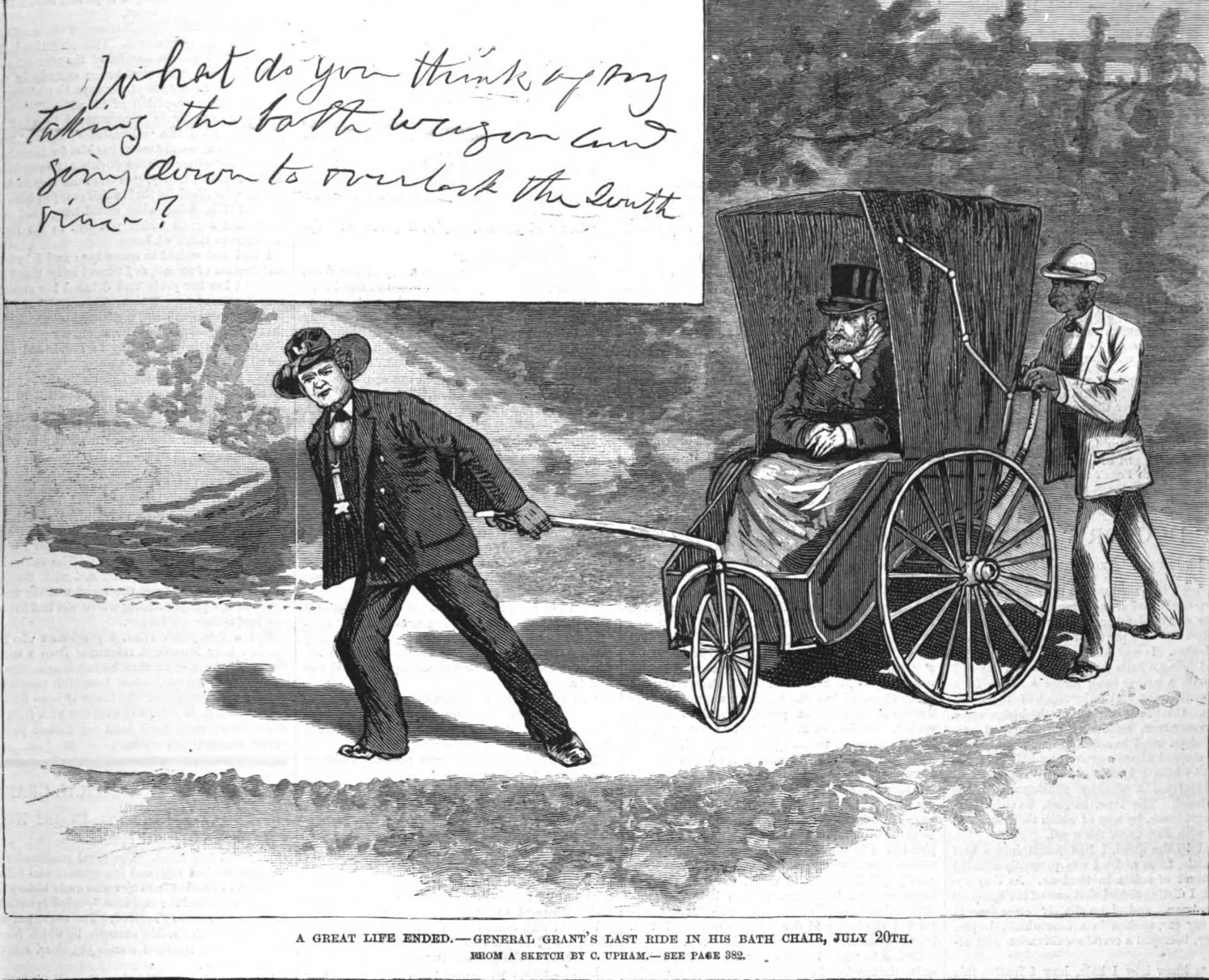
Image from Frank Leslie’s Illustrated showing Sam Willett and Harrison Terrell with U.S. Grant in the Bath Chair.
Transporting Grant to his destination and back would prove no easy task. The “Bath Wagon” was a small but heavy carriage-like rolling chaise designed in Bath, England. Traversing the steep carriage paths required multiple people to push, pull, and guide the conveyance over the rough terrain through the woods. Grant’s son Fred, Civil War veteran Sam Willett, his valet Harrison Terrell, and his Doctor, John Douglas, accompanied him on what would be his final journey. When they arrived, Grant found difficulty taking in the view in his deteriorated condition. An overly zealous photographer wanted to capture the moment so much that he later created a photograph showing Grant sitting in the overlook gazebo with Dr. Douglas, but close examination reveals it as a composite of different images.
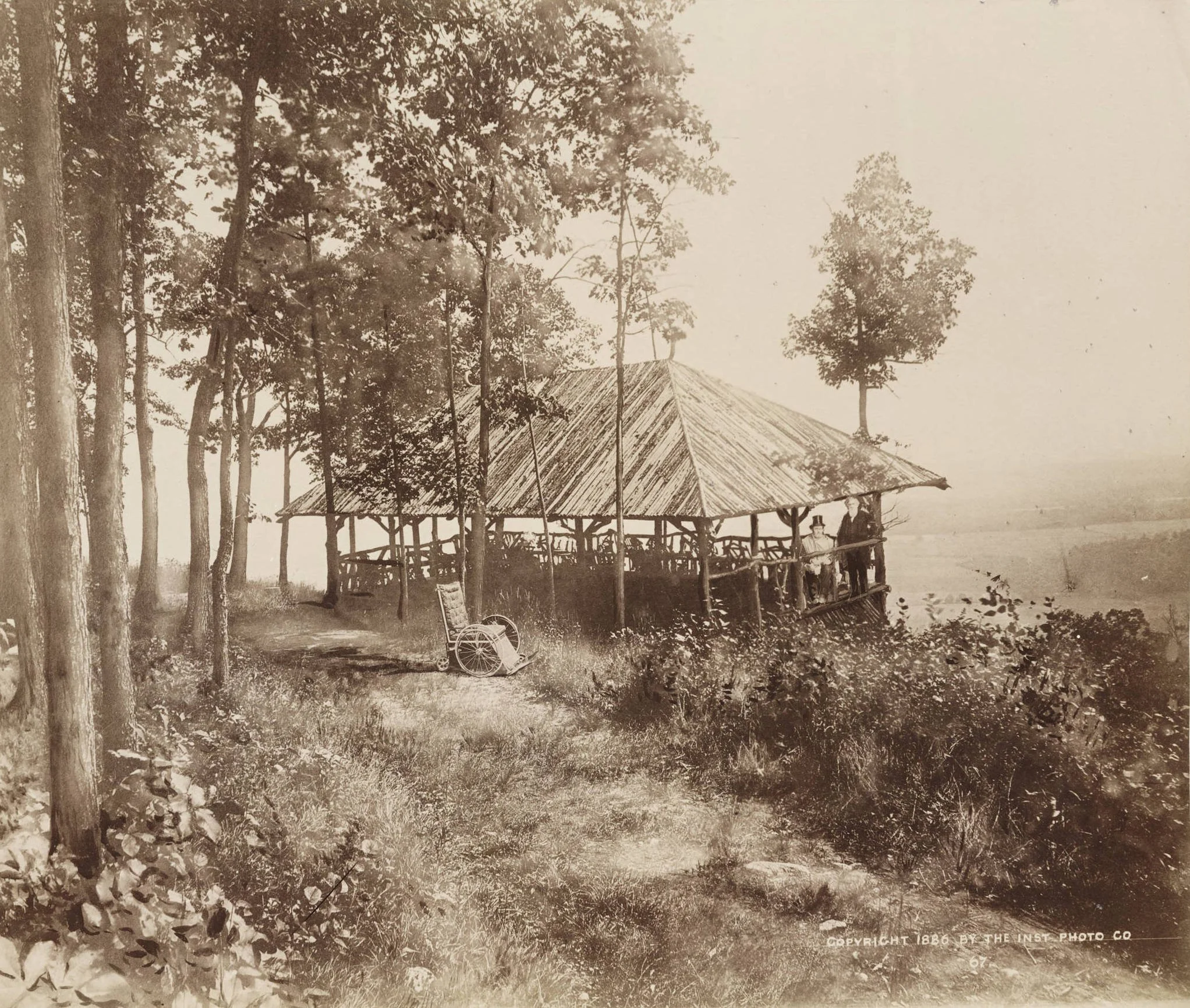
Altered image of U.S. Grant and Dr. Douglas at the Eastern Overlook.
Grant was fully aware that the view was not simply just a picturesque scene of a river valley full of peaceful farm fields, it was the scene of a pivotal moment in the founding of the nation he had sacrificed so much to preserve. In the distance, he could see the Saratoga Battle Monument (completed only two years before) commemorating the 1777 battles that helped win independence for his beloved Union. Battles that his own grandfather Noah had participated in a century earlier. Now as the nation celebrates its 250th anniversary, the historical view takes on an even greater significance and a new “Revolutionary View” living history audio experience is being produced to highlight it for visitors.
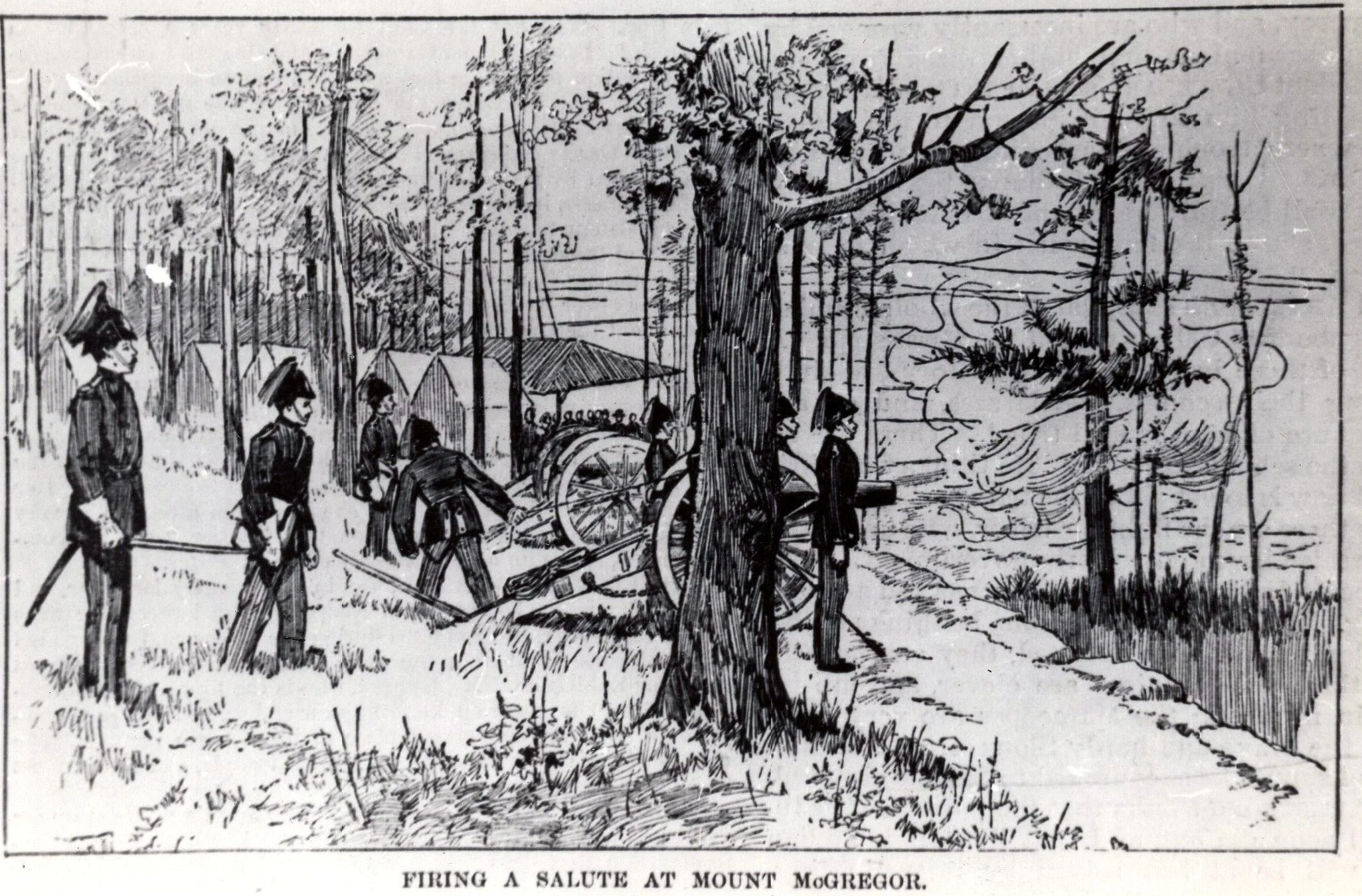
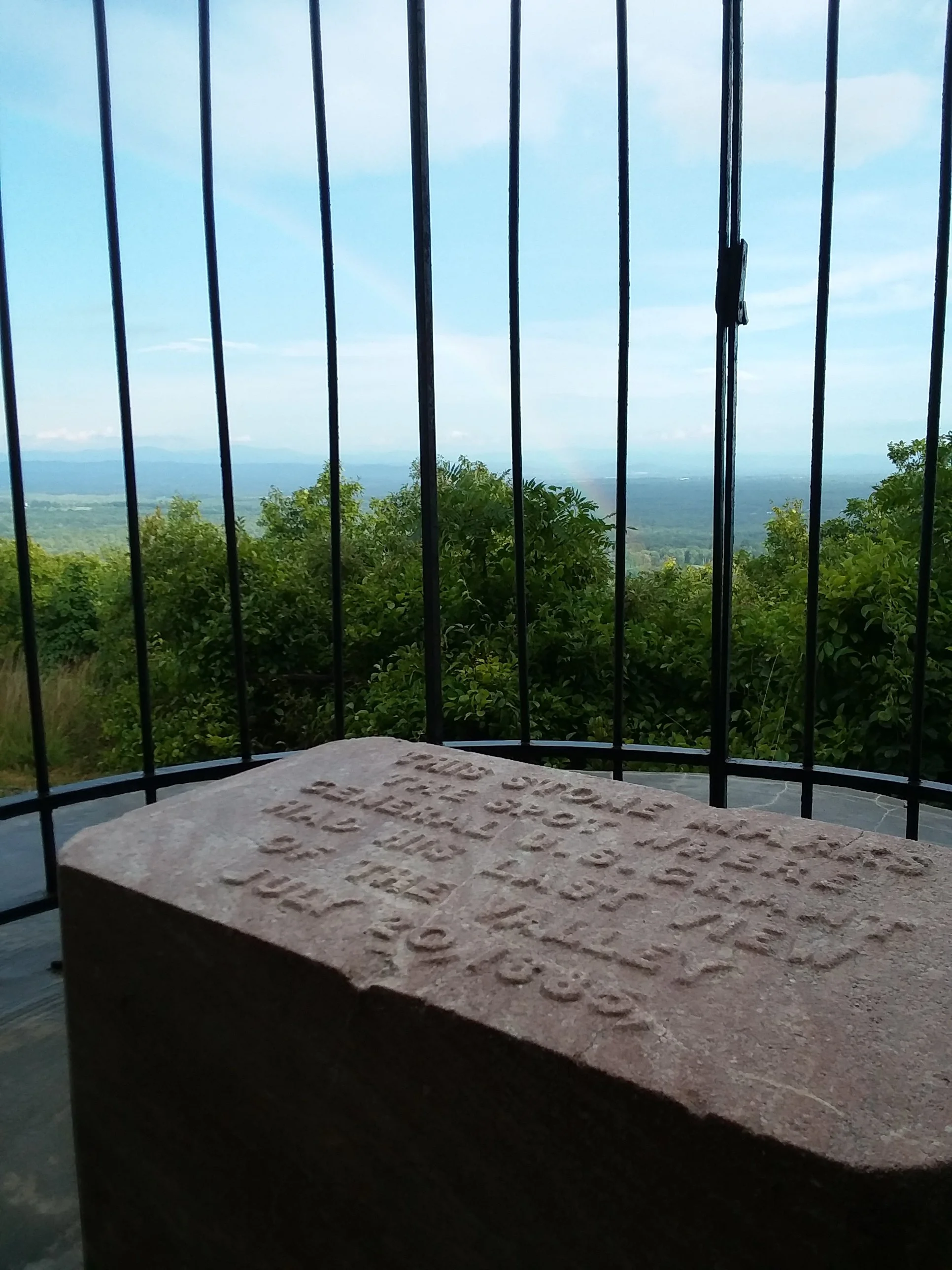
After Grant’s death on July 23rd, soldiers encamped at the overlook and fired cannon salutes in his honor that boomed across the valley. It was proposed to have his likeness and/or name carved into the rockface near the overlook. This idea was quickly scrapped as impractical and expensive at a time when funds were being raised for his mausoleum in New York City. Instead, a small stone monument would be erected on the site of the gazebo, inscribed, “This stone marks the spot where General Grant had his last view of the valley July 20, 1885.” It is fitting that only a modest memorial was erected, as Grant himself was a modest man who would not have wanted anything to mar the natural beauty of the place.
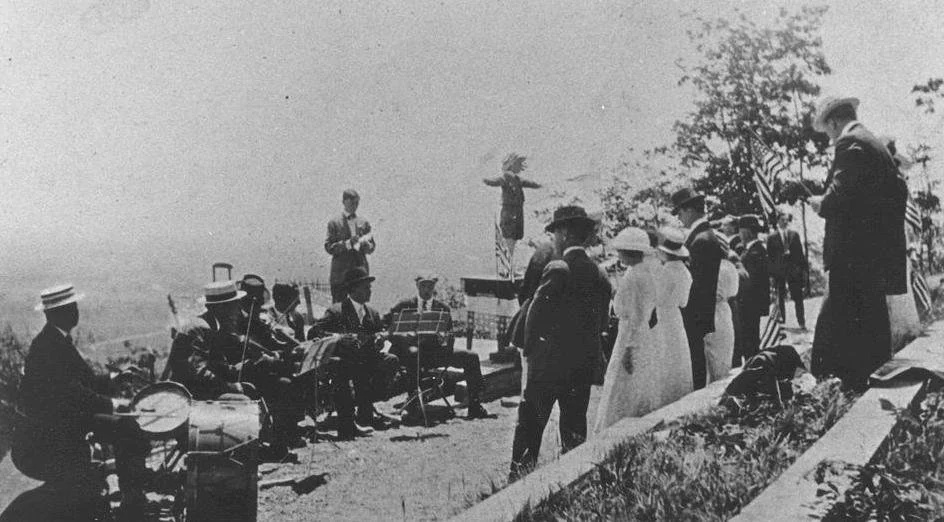
Memorial Day exercises at the Eastern Overlook in 1915
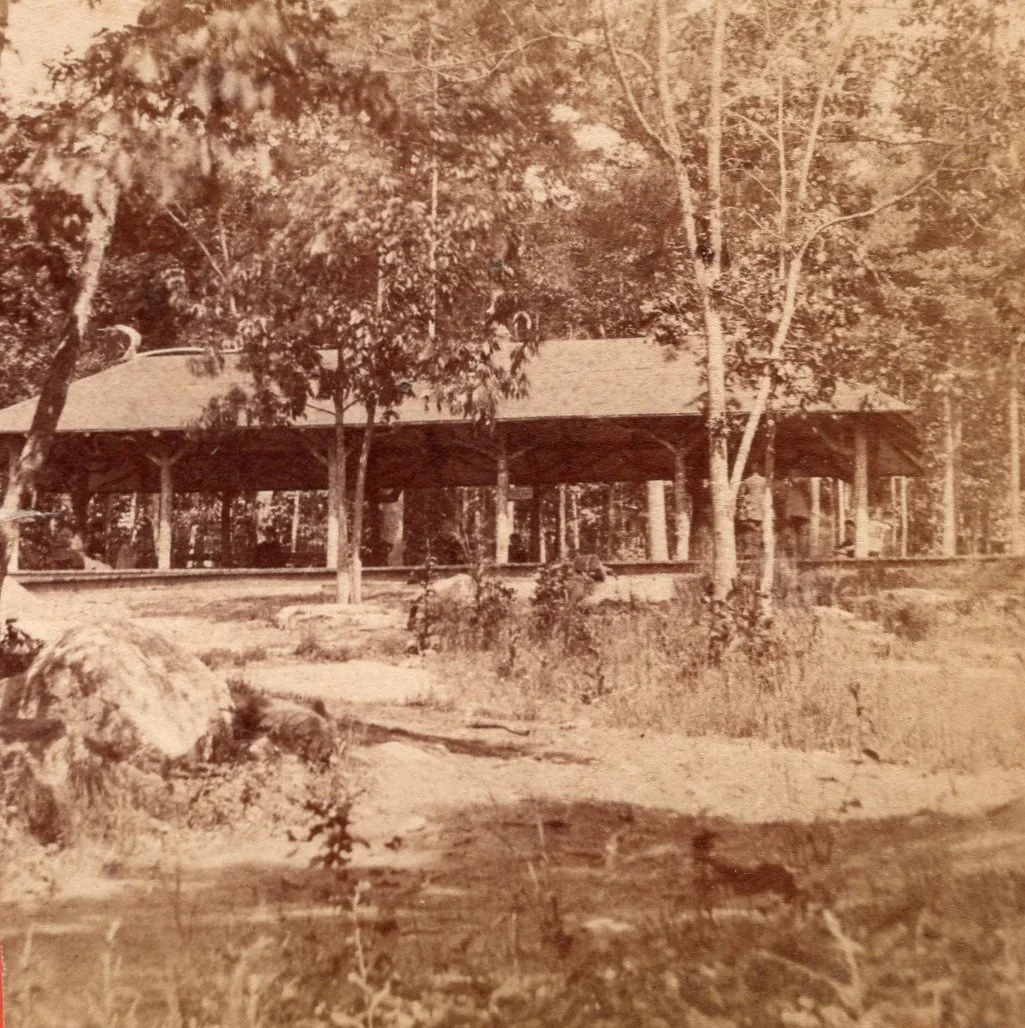
19th century image showing the former train platform and path to the Eastern Overlook.
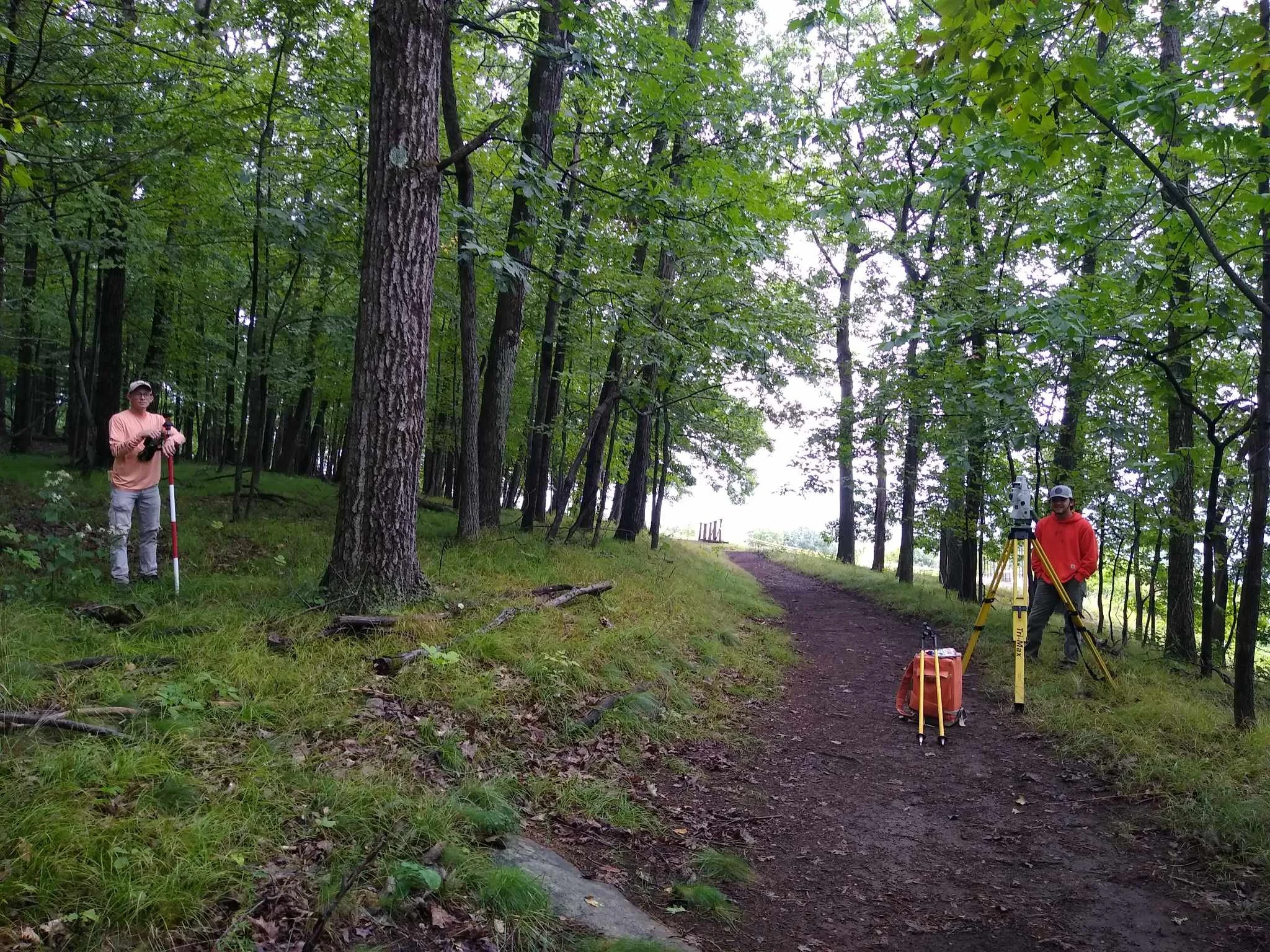
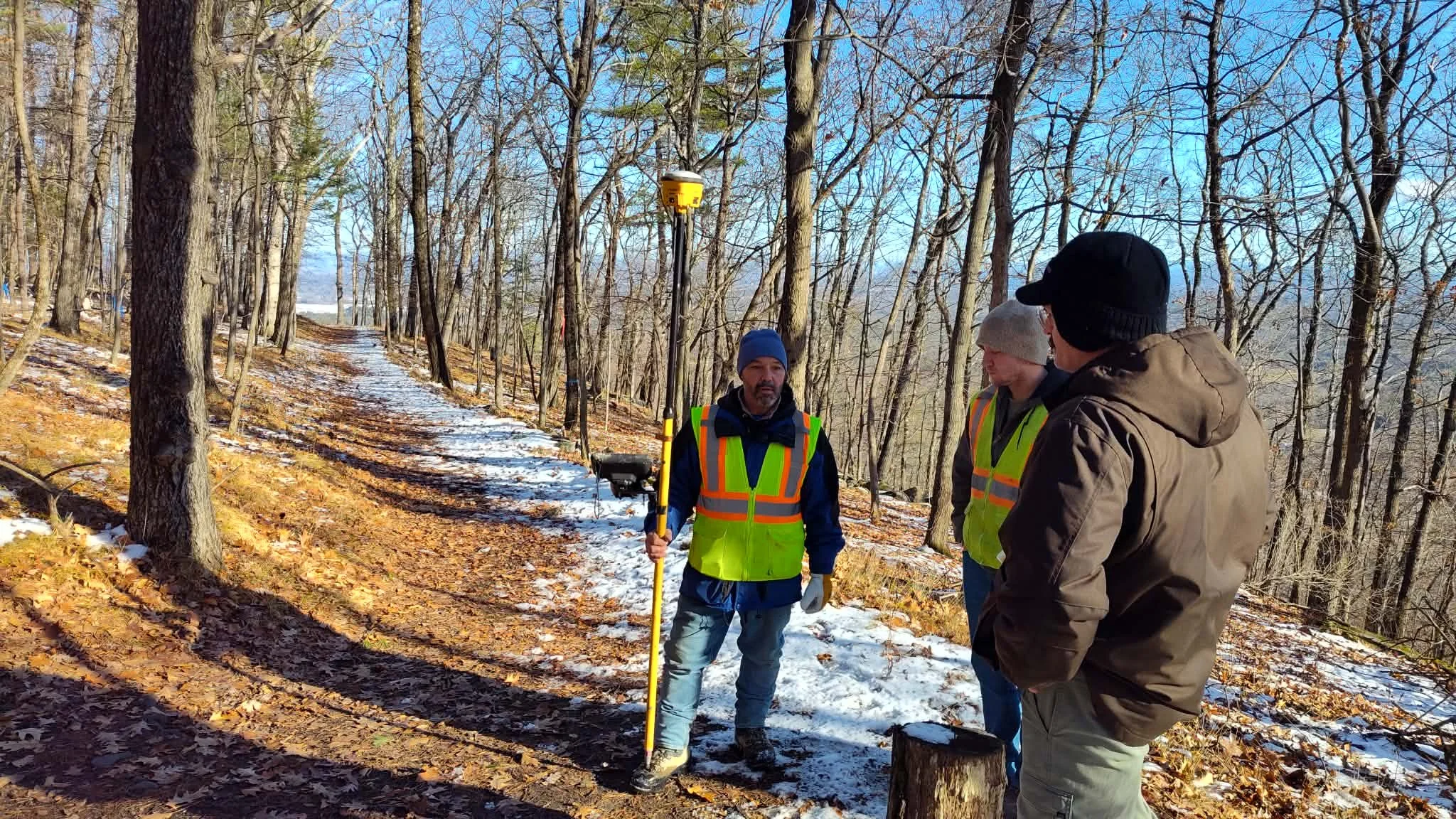
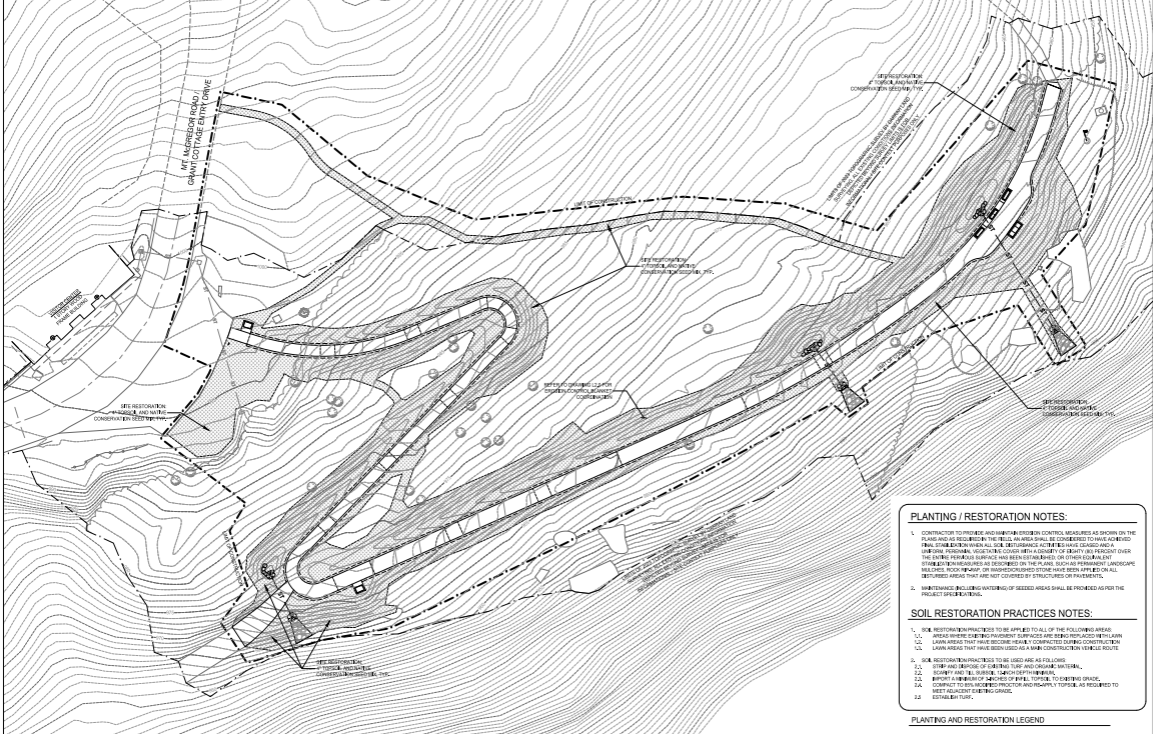
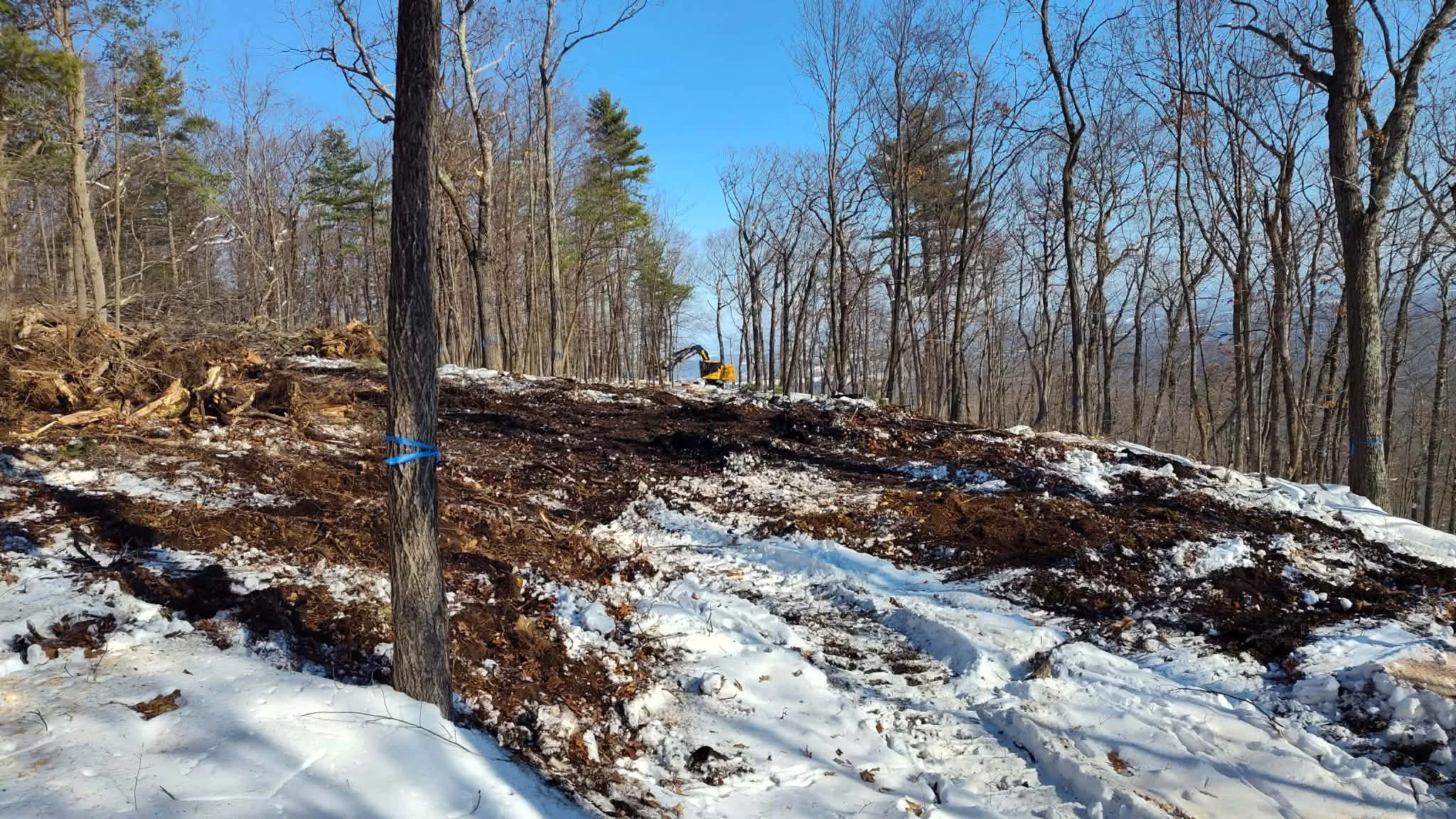
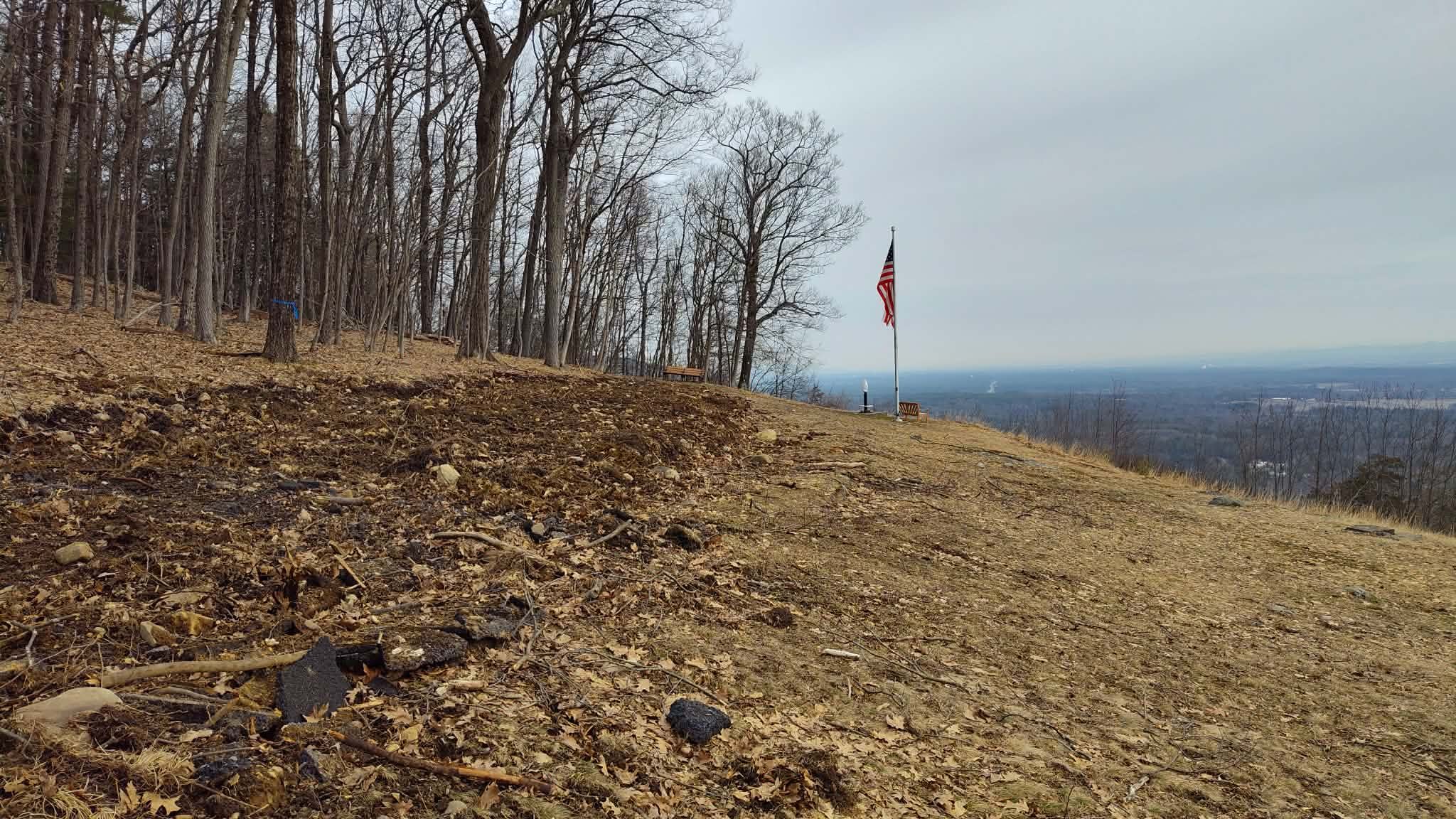
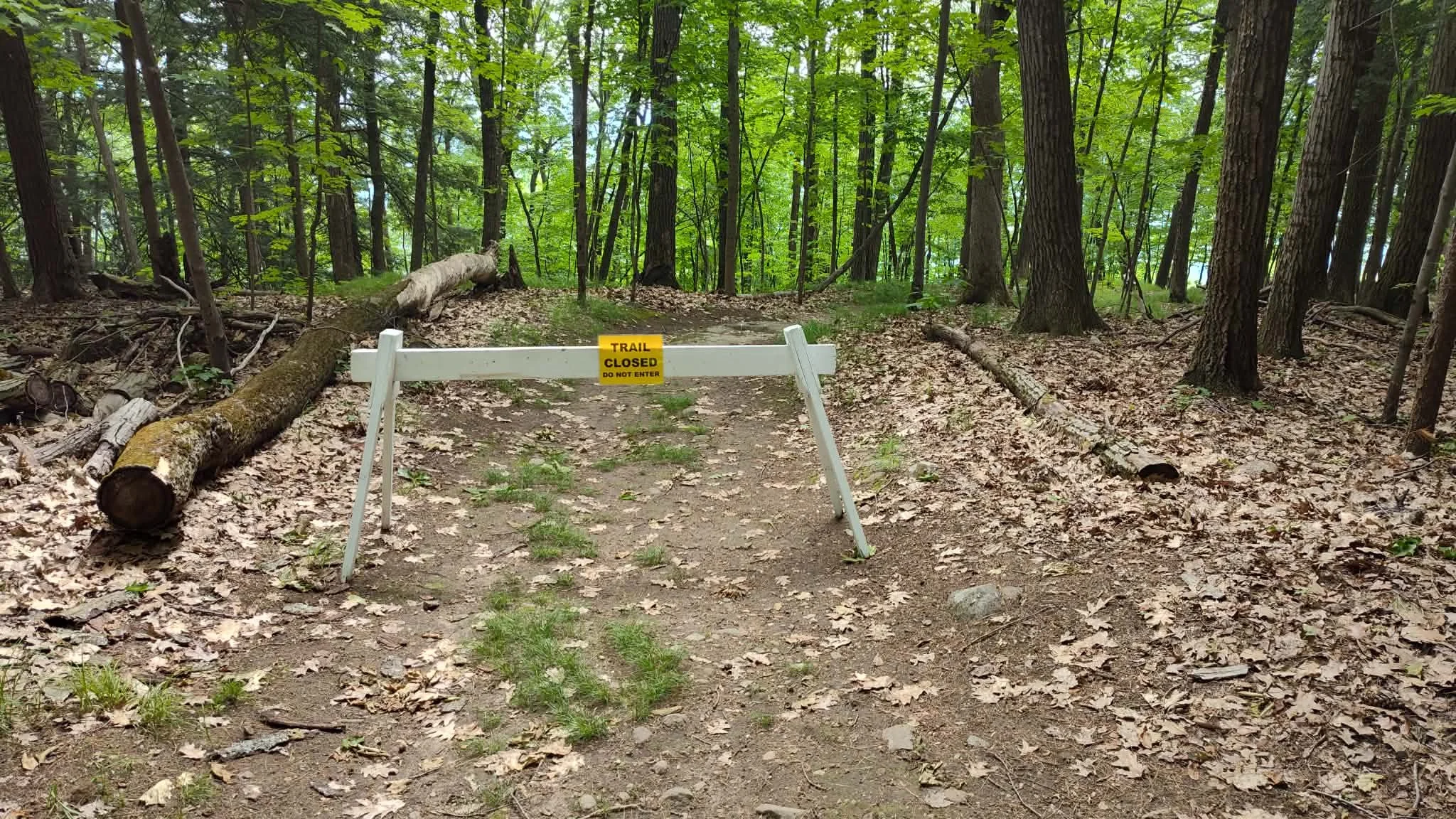
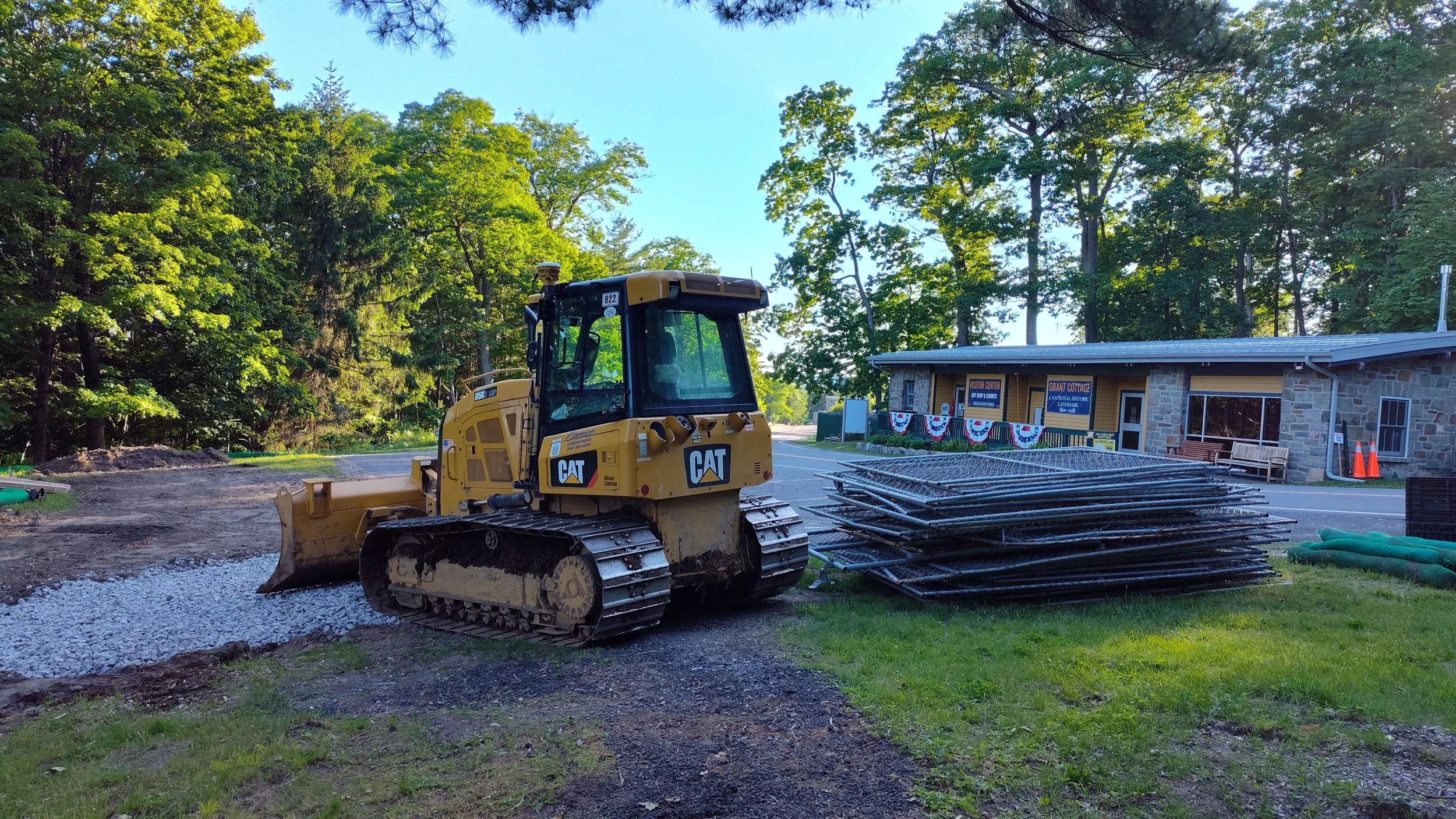
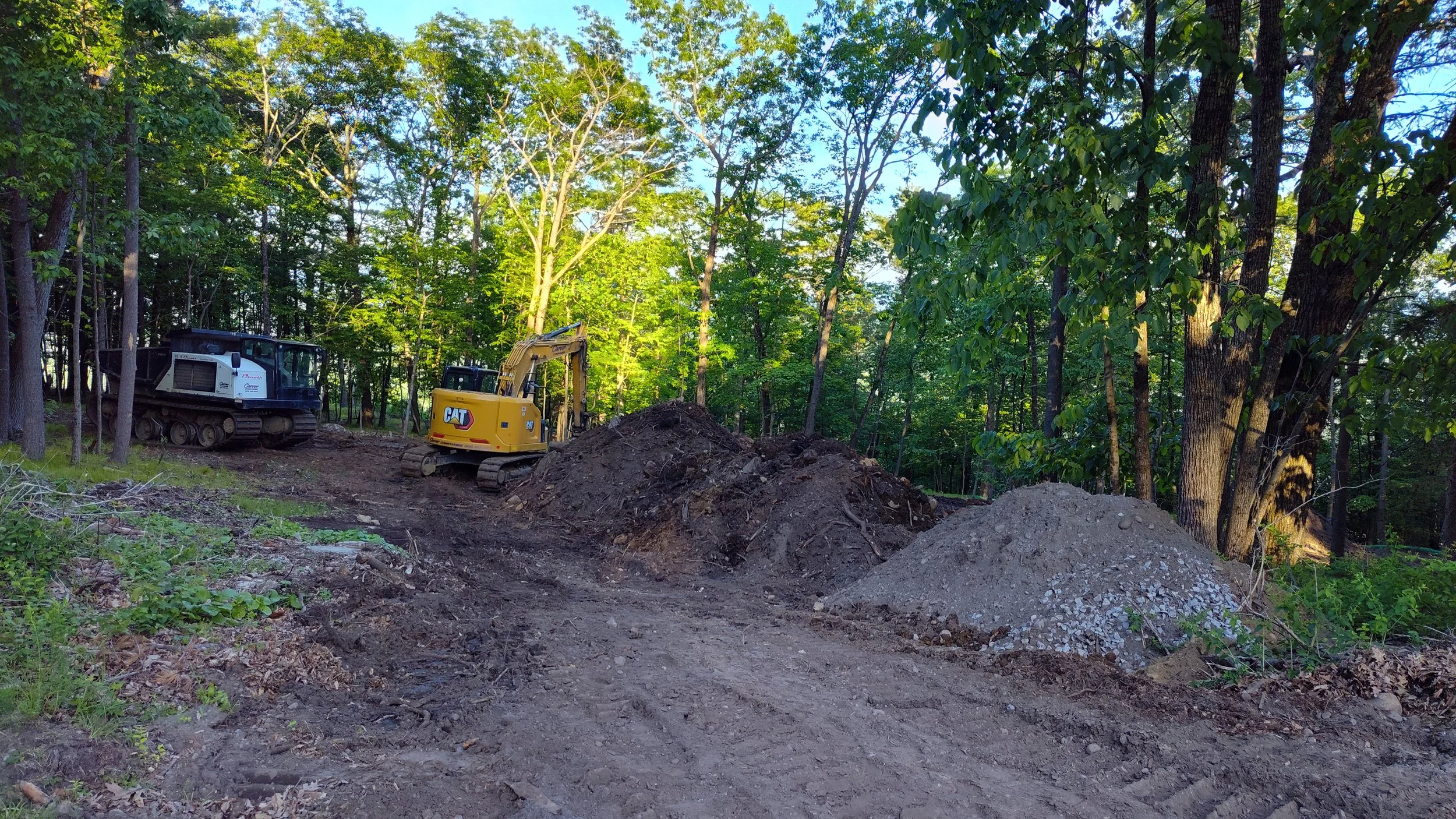
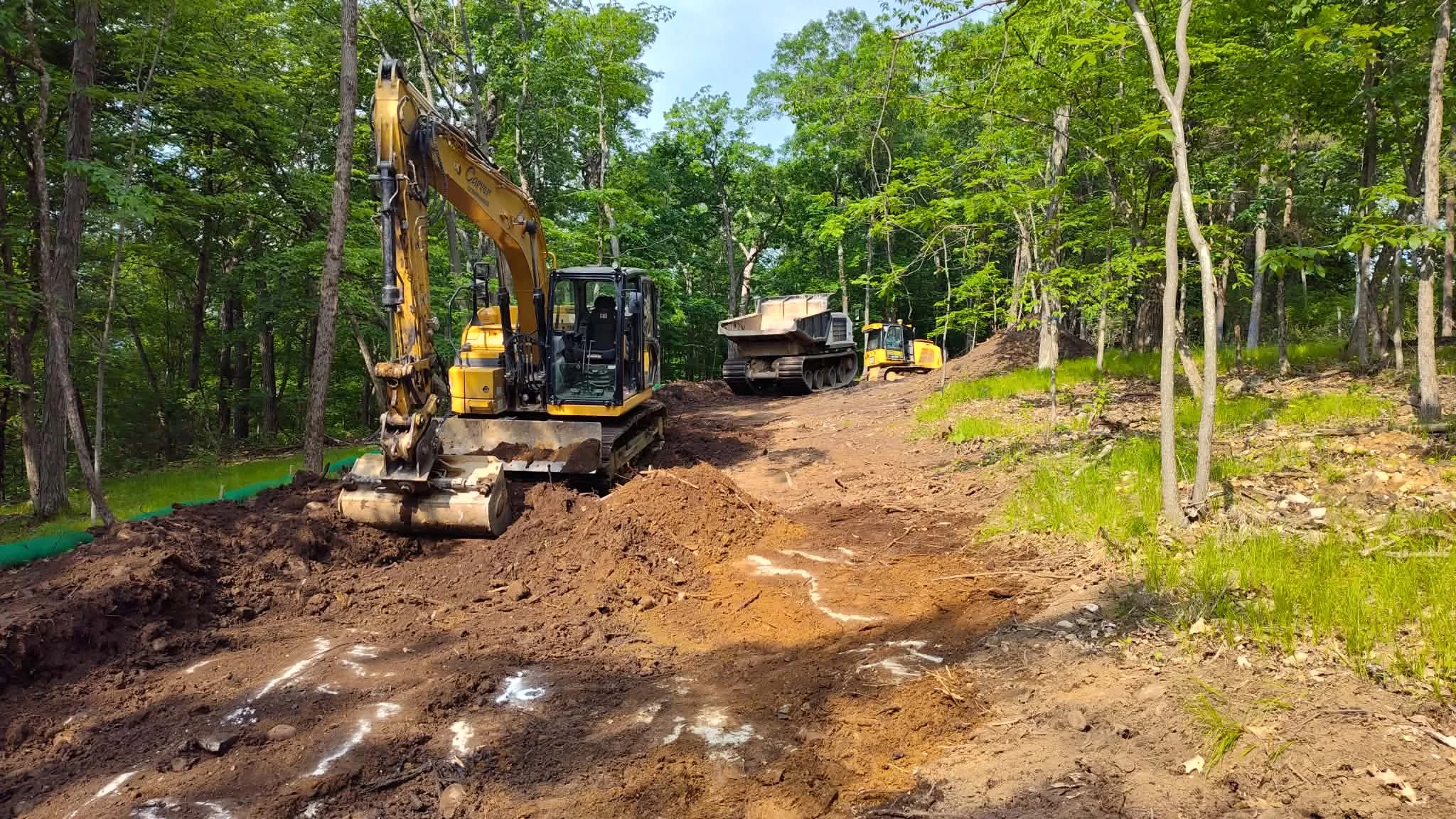
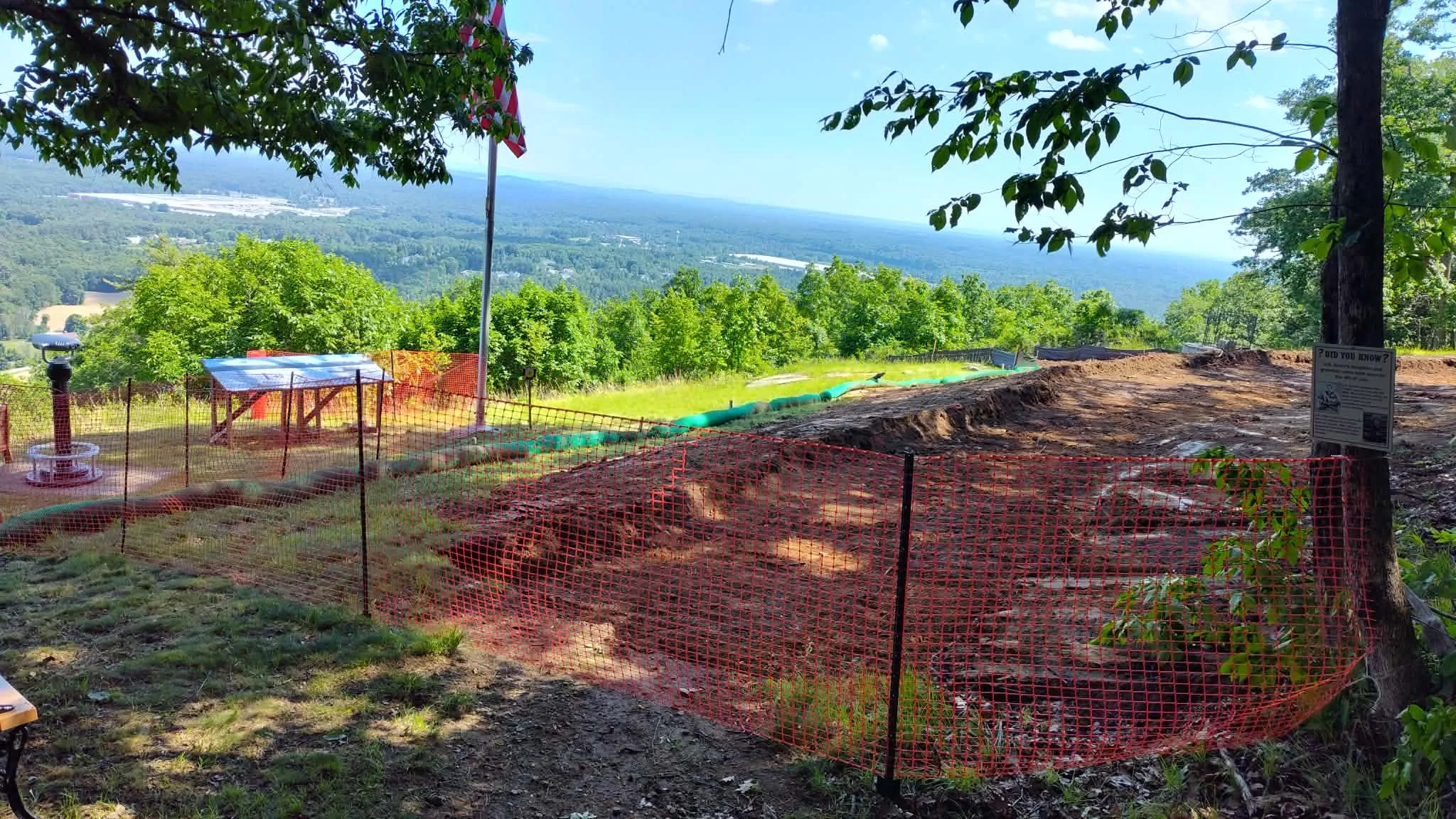
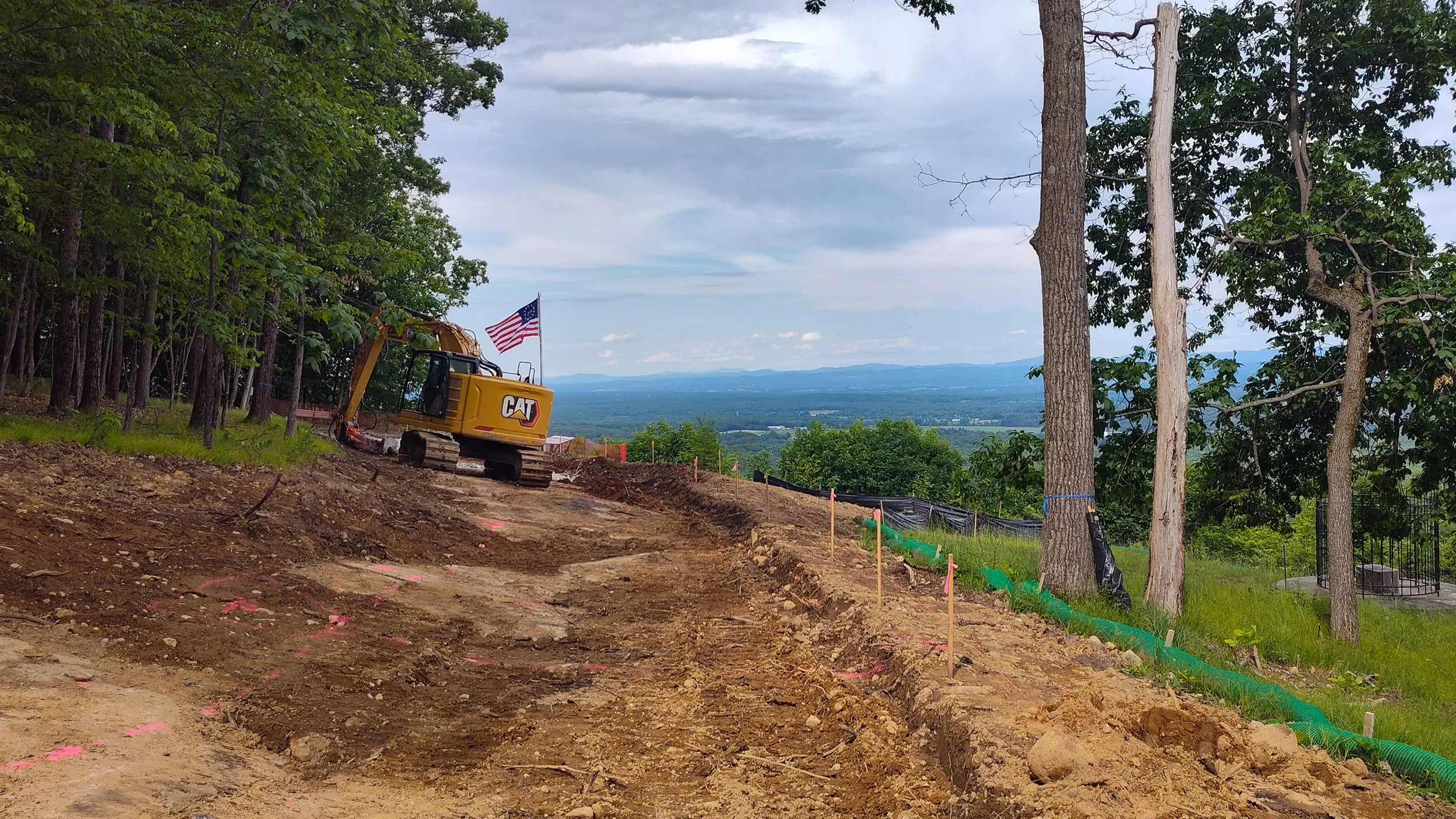
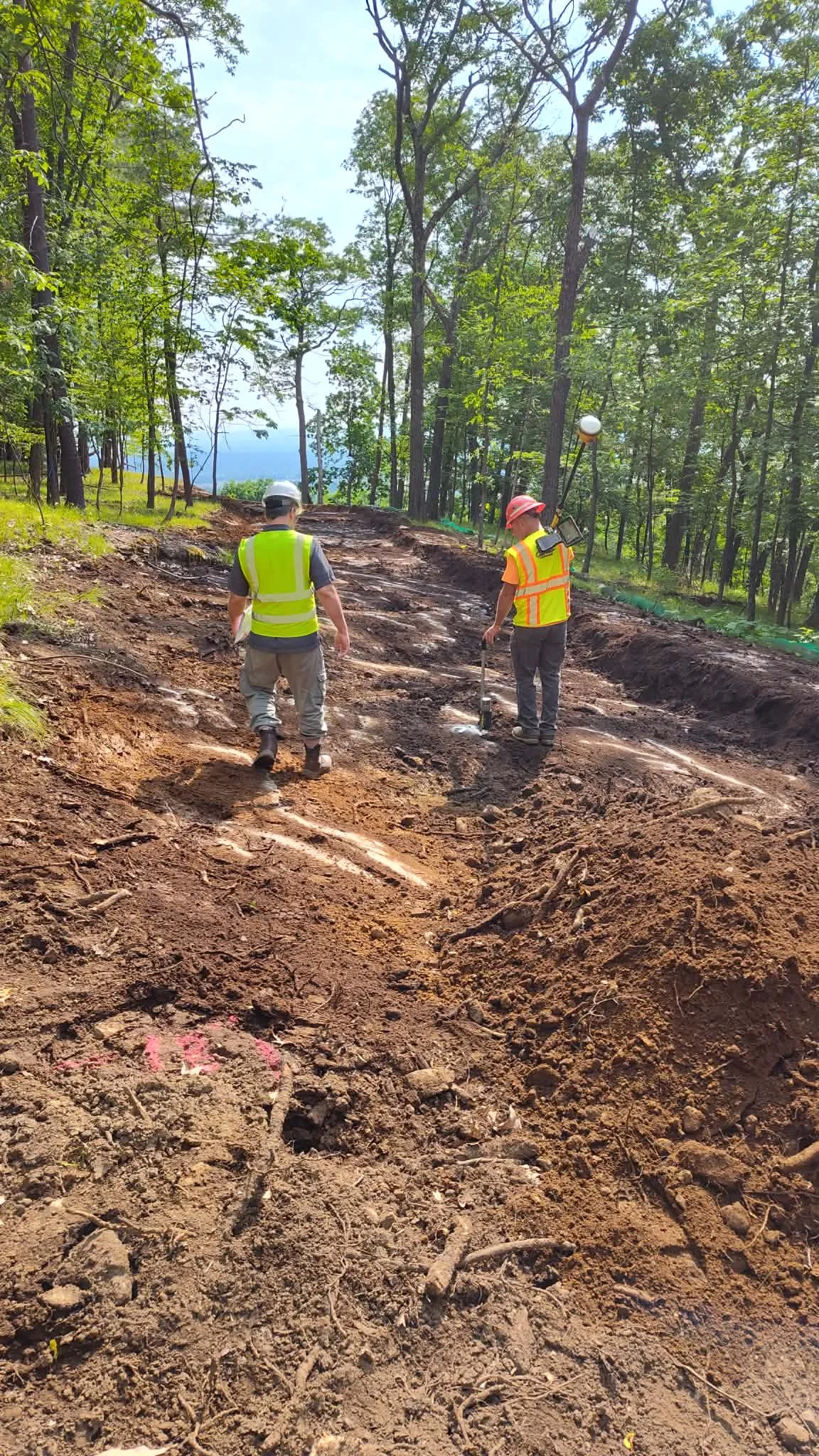
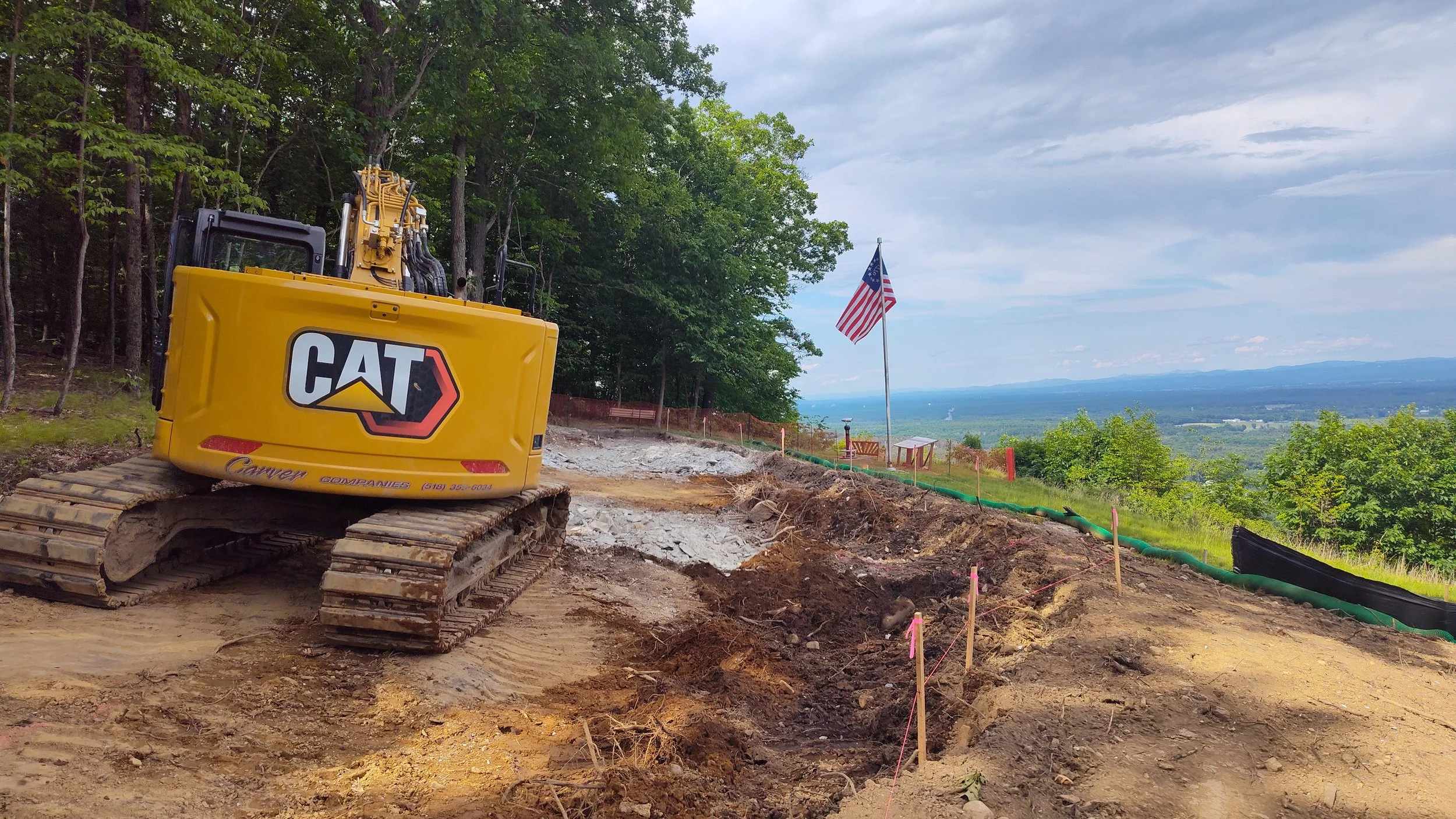
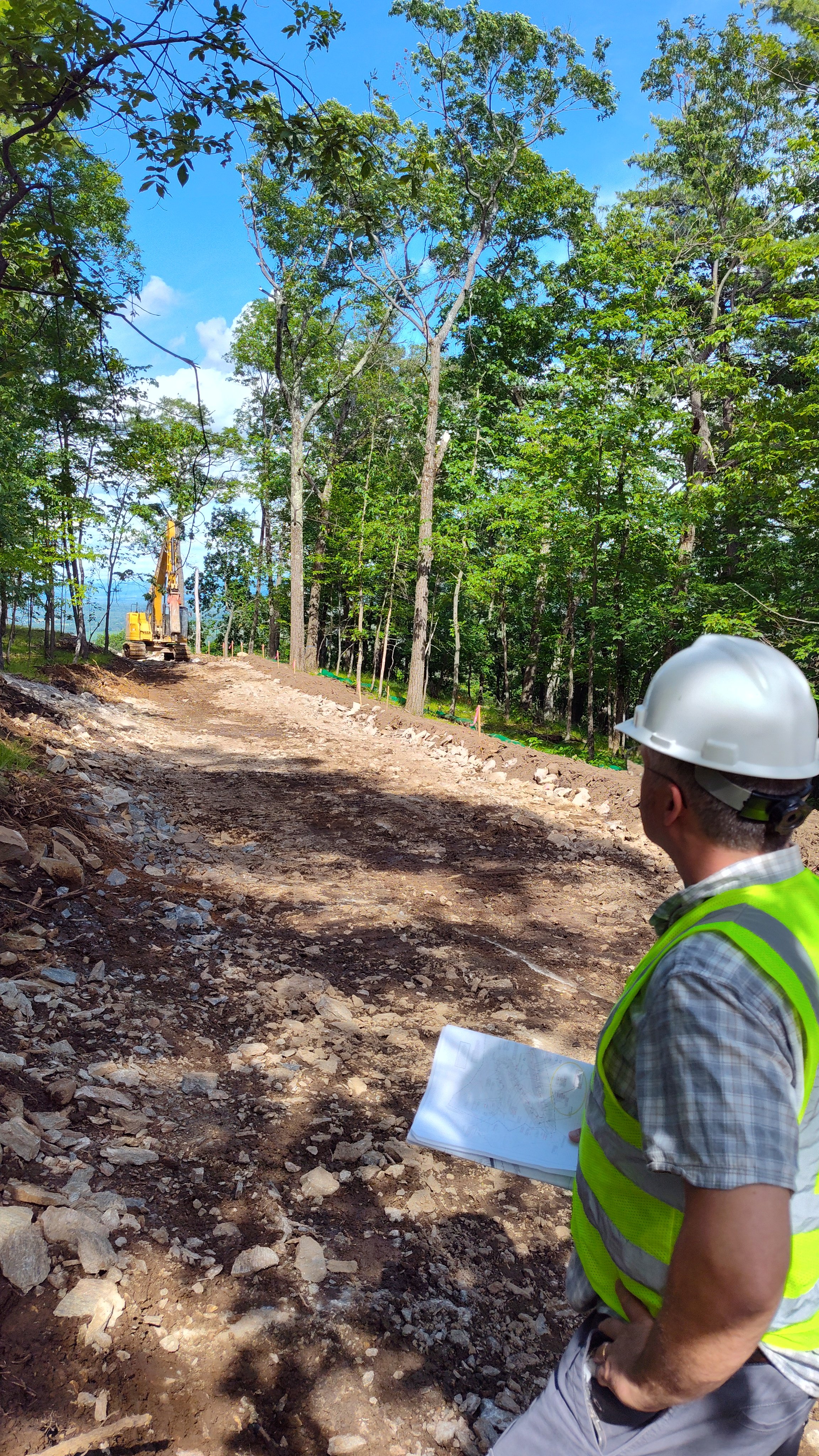
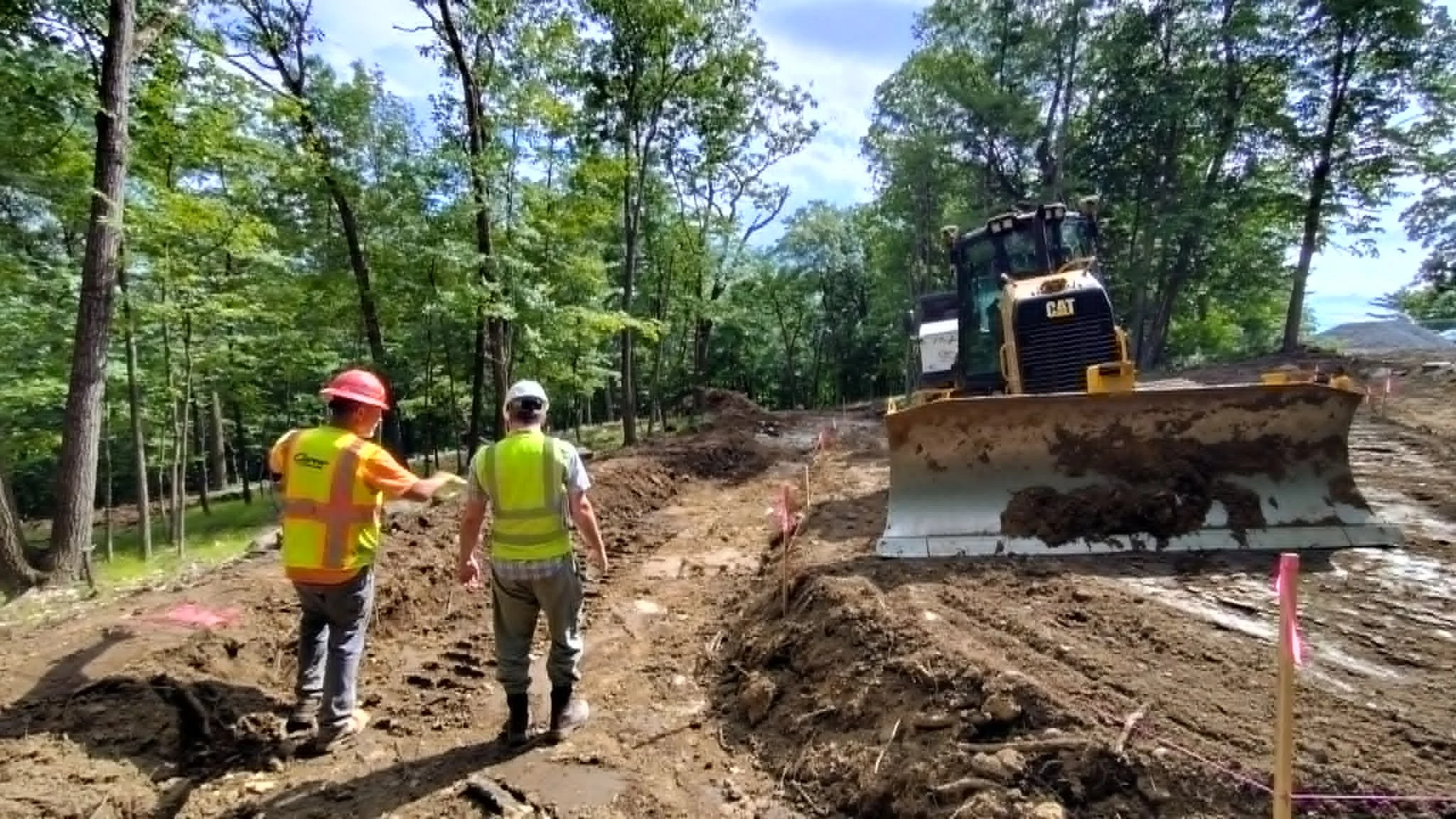
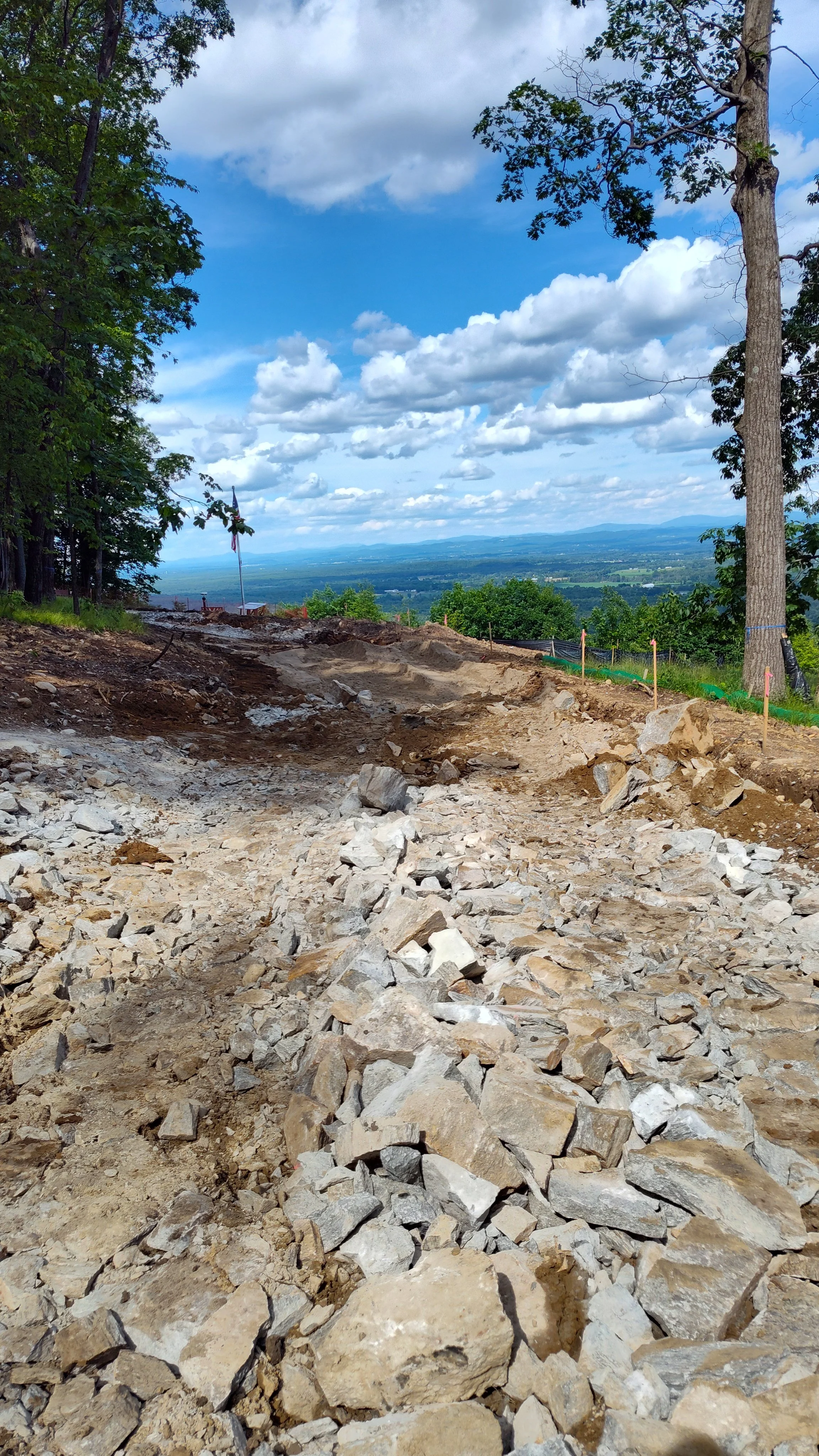
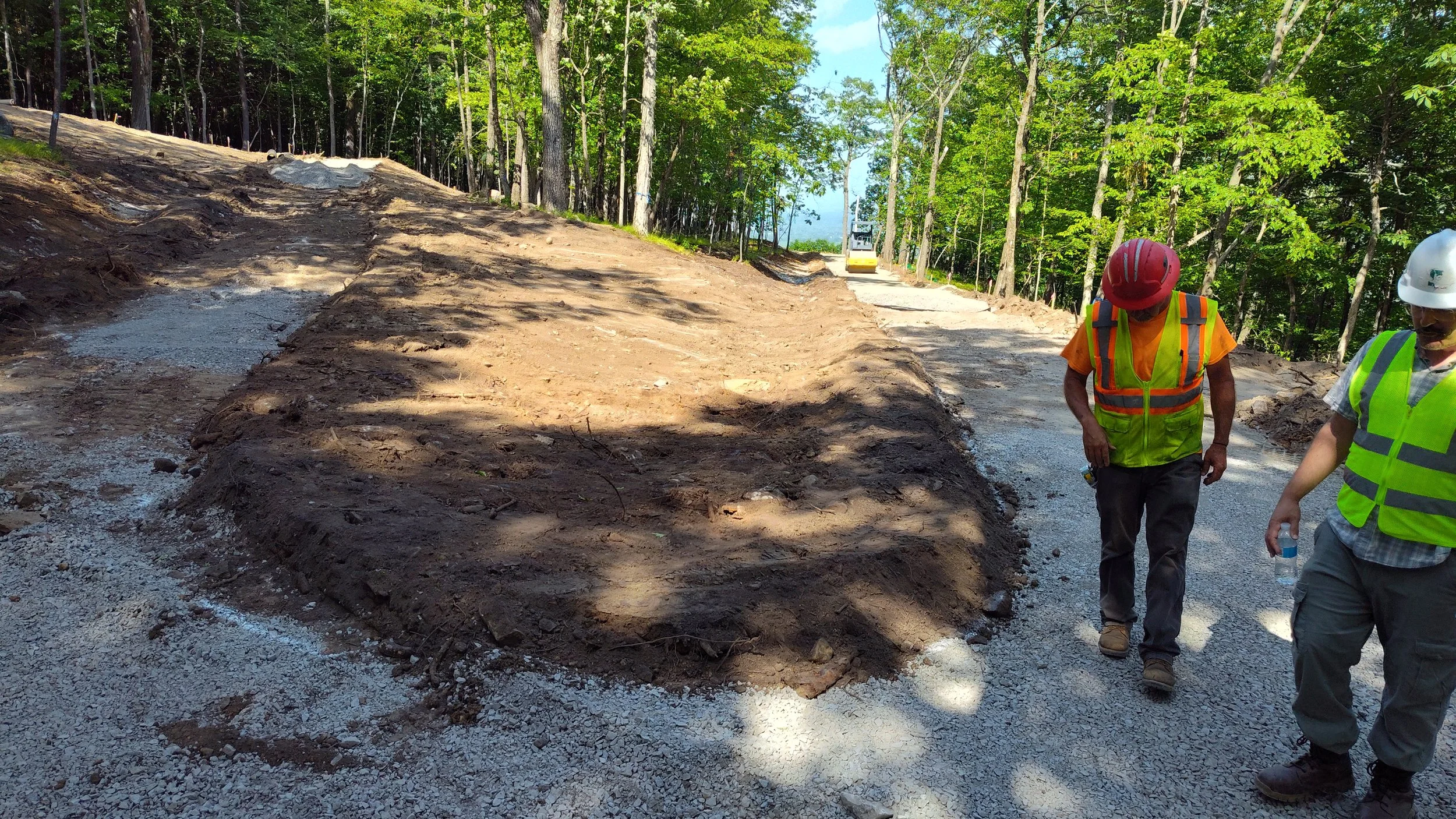
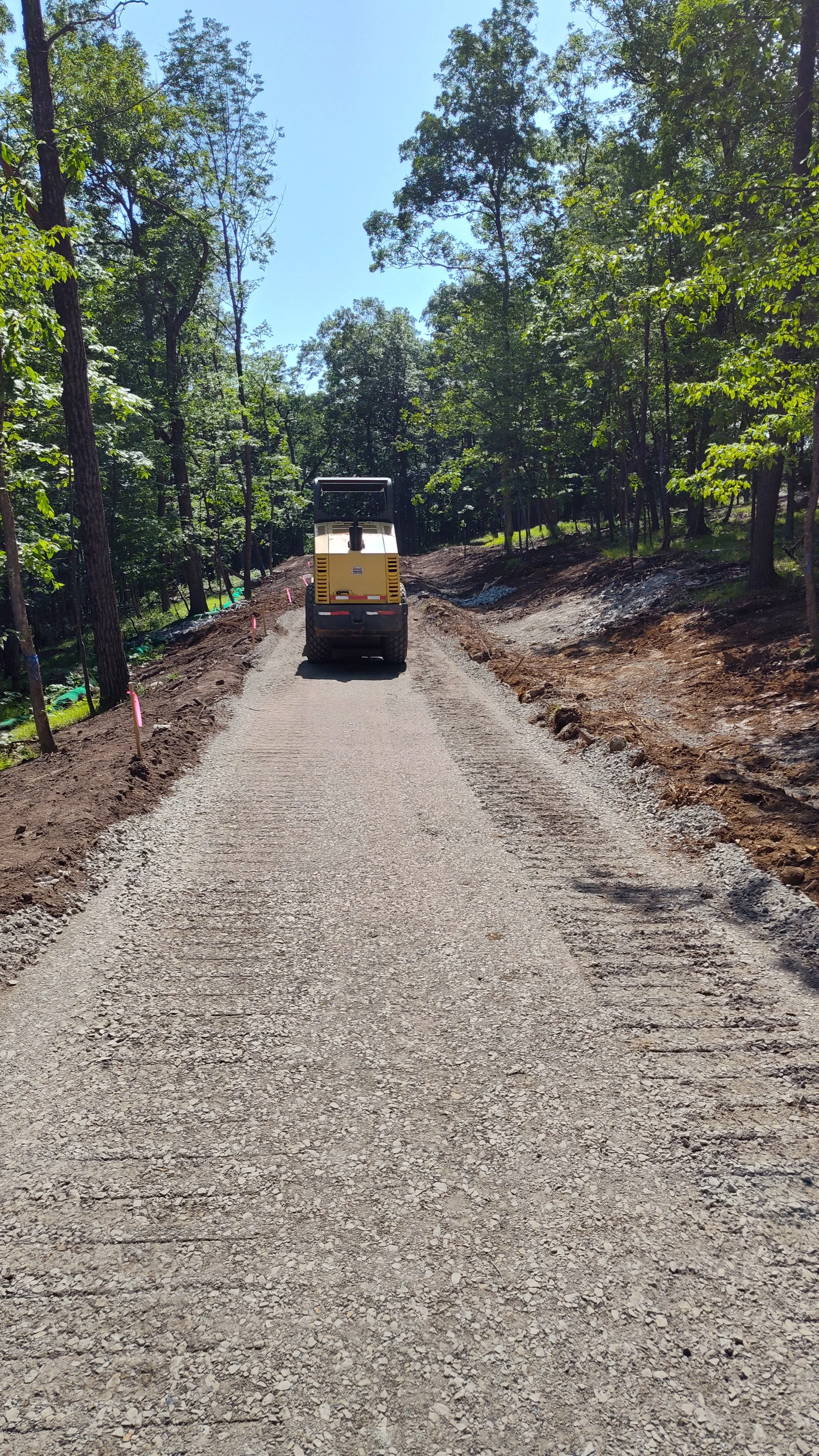
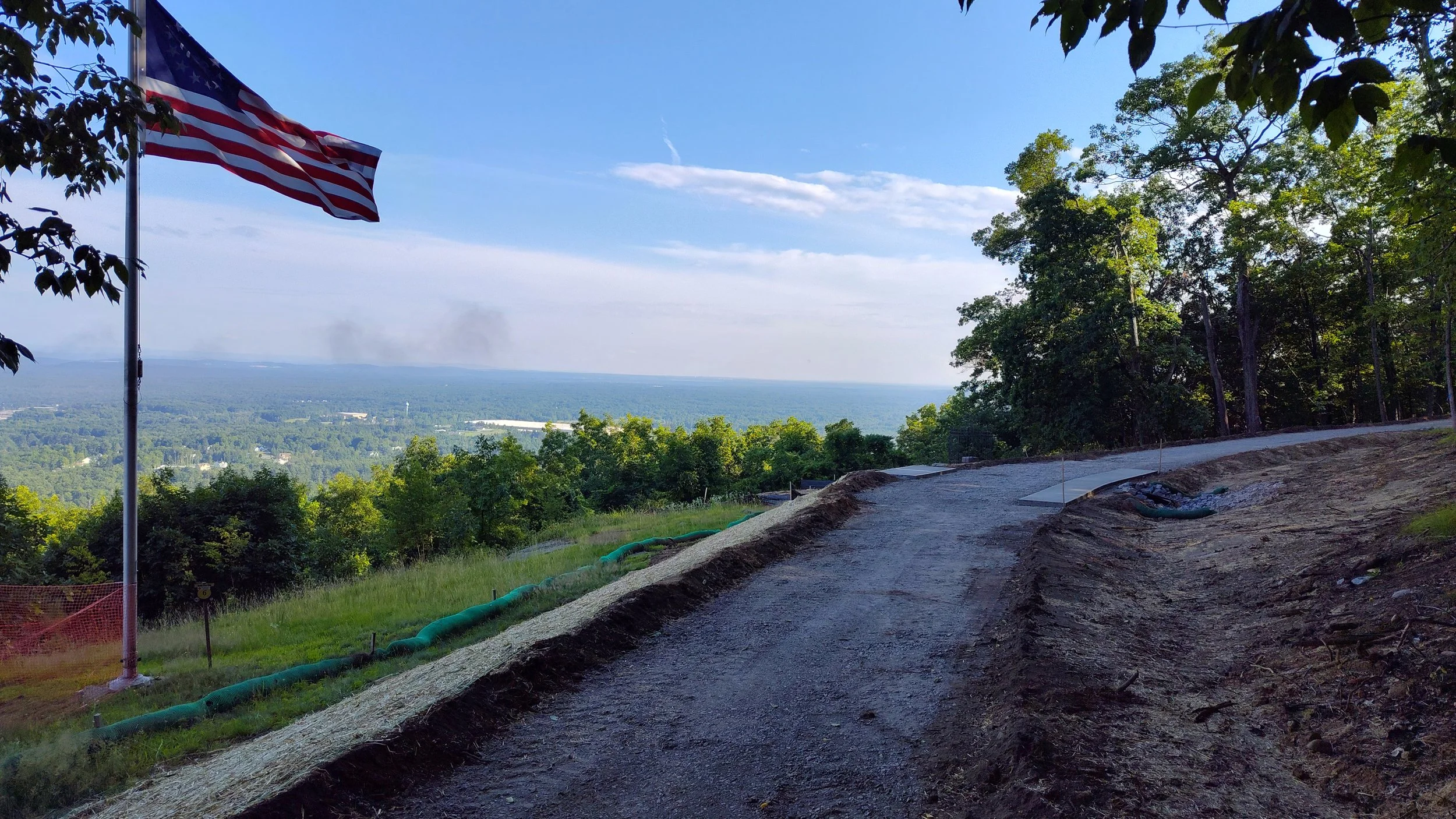
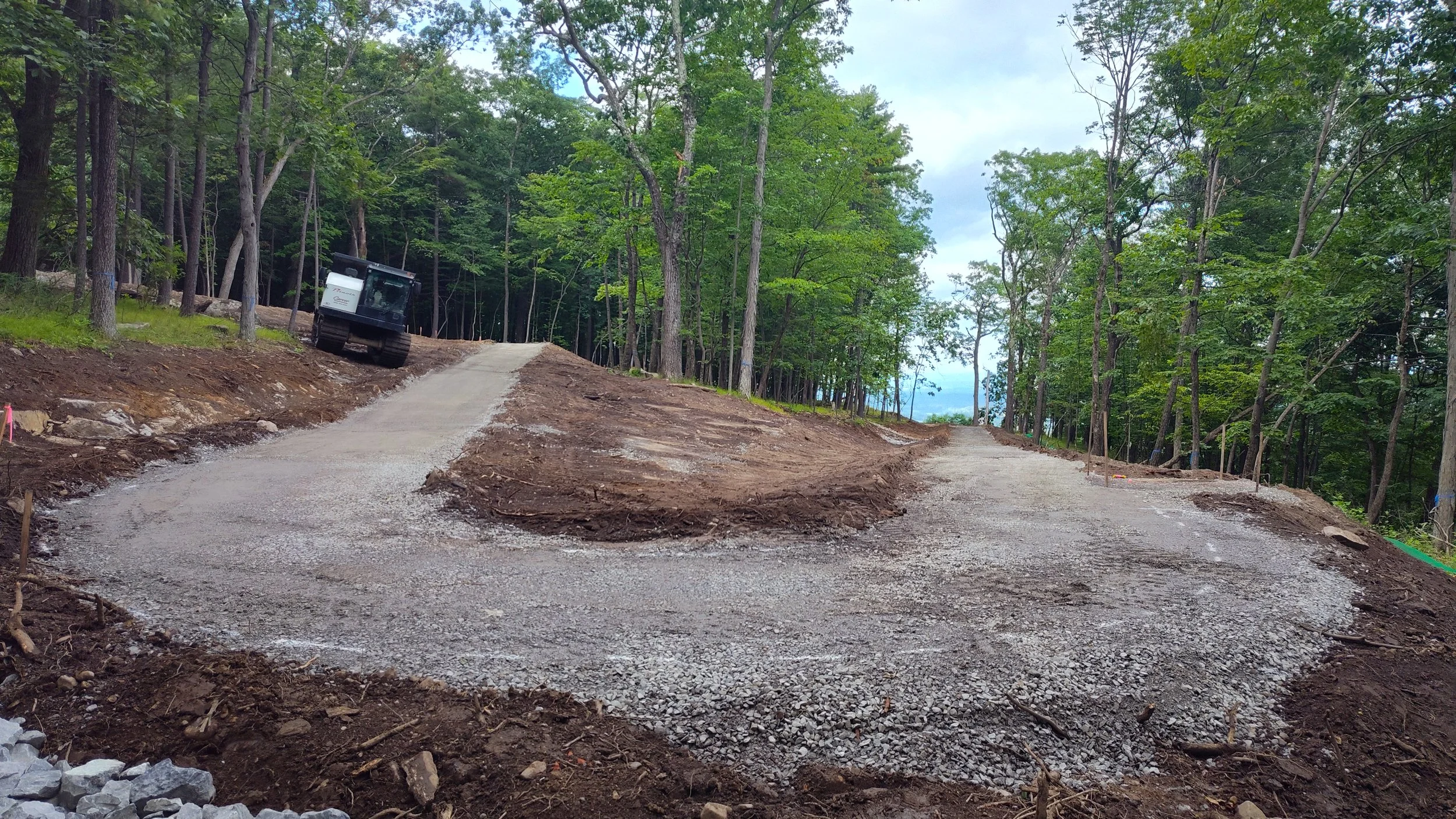
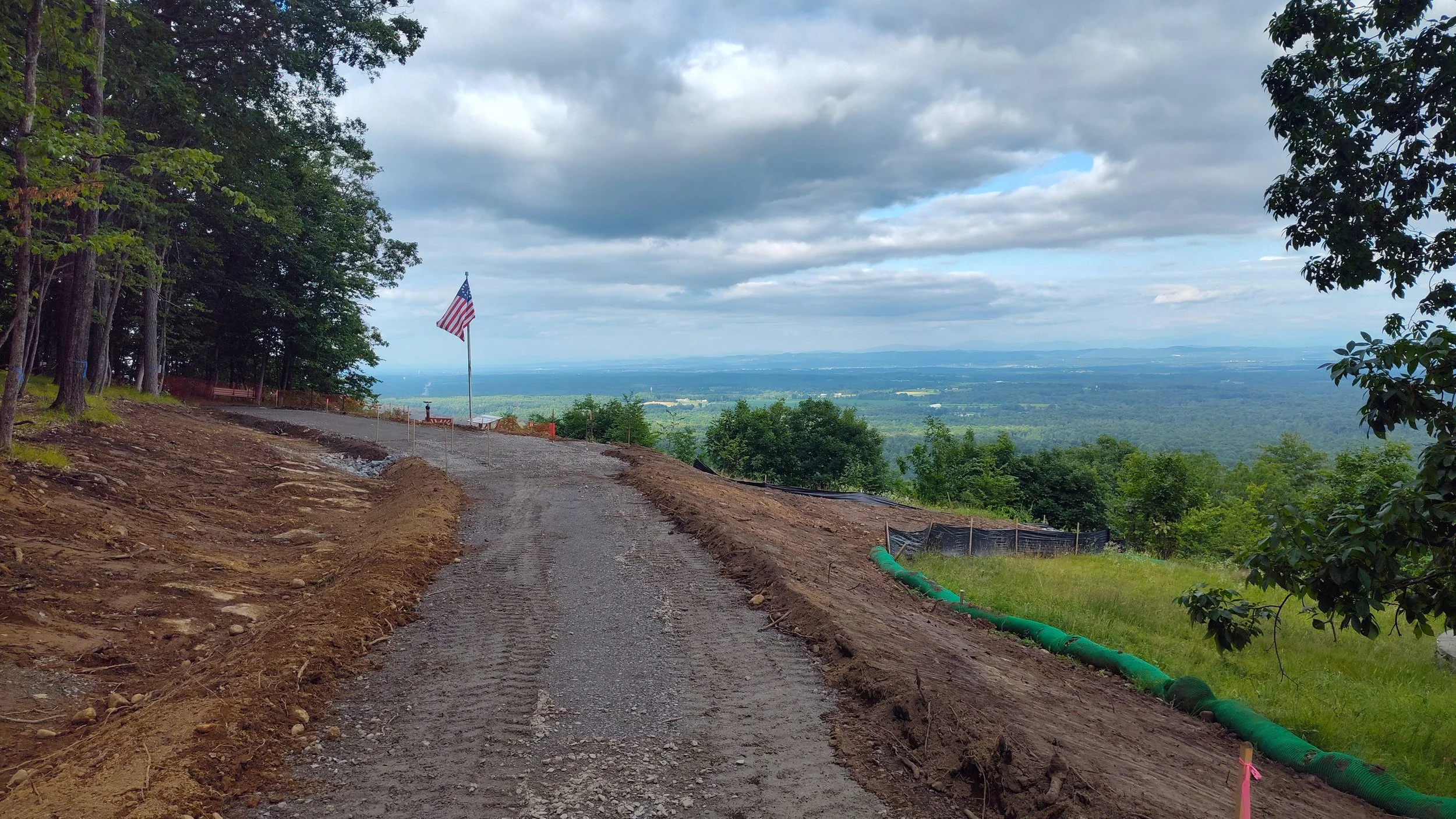
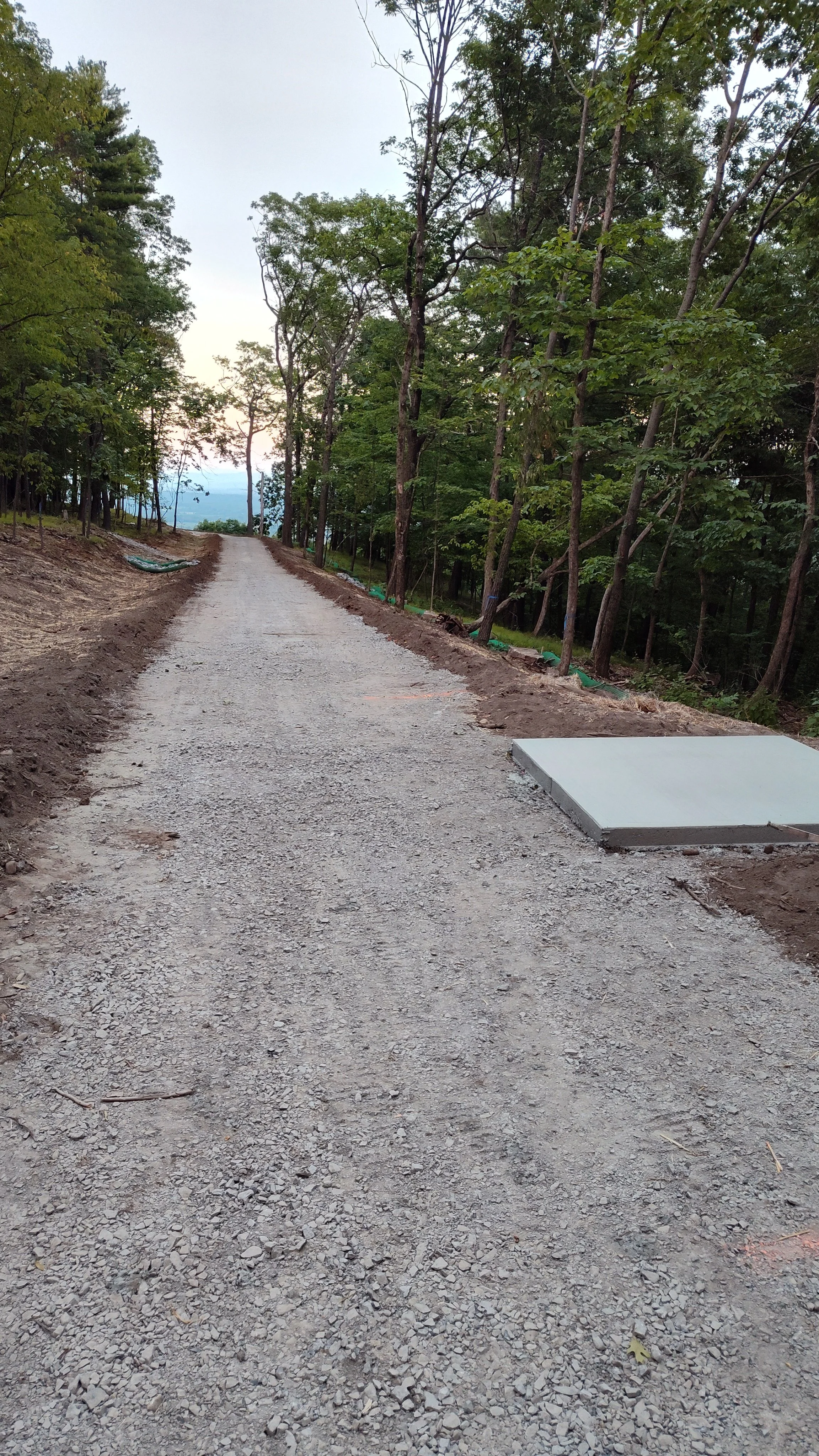
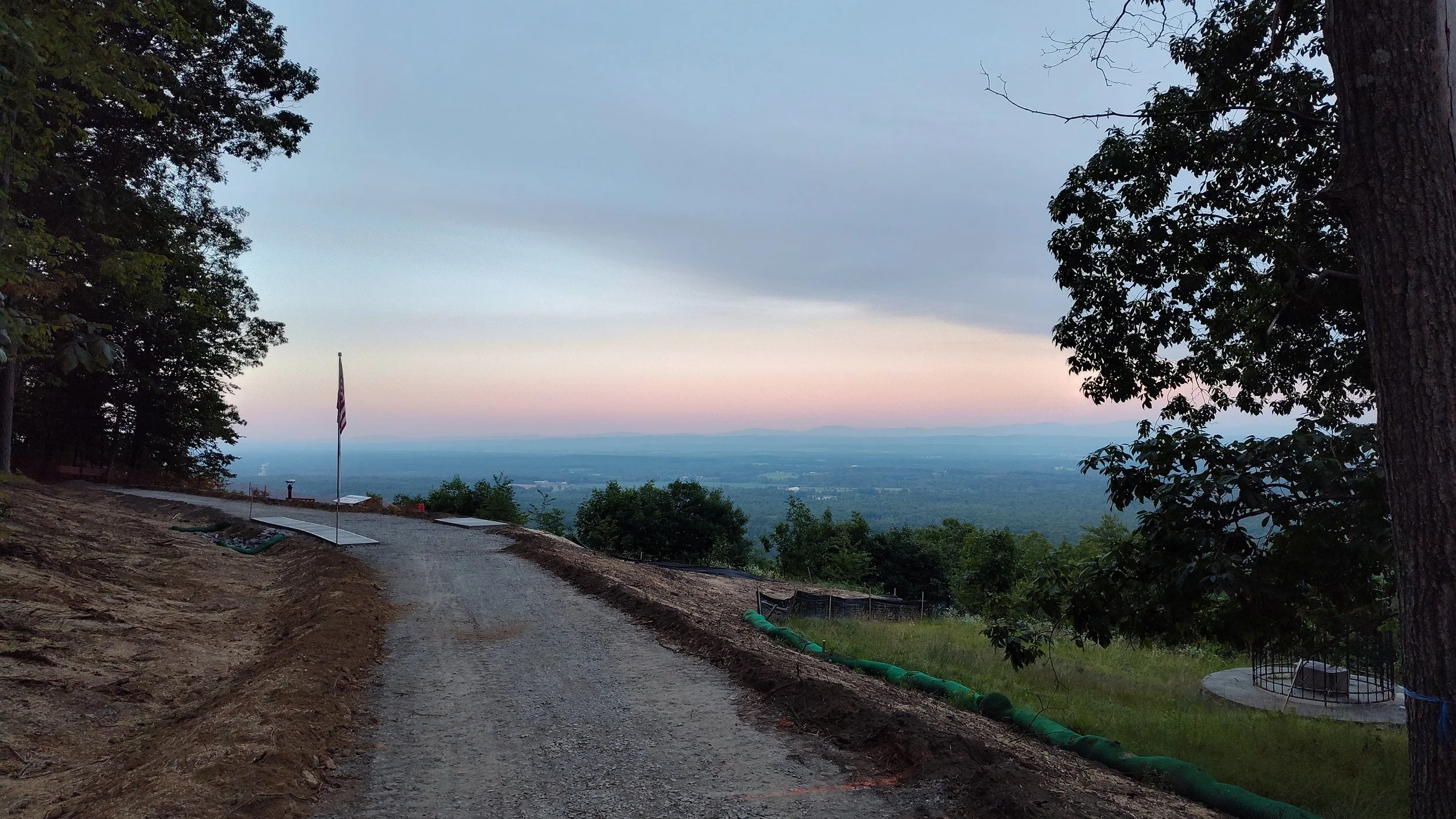
The Friends of Grant Cottage and New York State Parks have been committed to showcasing not only the natural beauty, but also the historical importance of the Eastern Overlook and its view. In recent years, benches, binoculars, and an interpretive panel have been added to the existing monument and flagpole. The path that the ailing Grant traversed is now becoming an accessible route, so that all visitors can follow along the path of remembrance, honor, and reflection that a dying American hero once did. Part of the original path had been lost to time, when a period photograph revealed the hidden connecting path between the modern Visitor Center (then the railroad platform) and the original 1872 carriage road leading to the overlook. It has been a multi-year effort to raise funds to design and construct a modern pathway along that route. Even though modern visitors along the redone path will not hear the hoofbeats of omnibuses bringing excited travelers to the view, they can experience the same feeling of anticipation as they wind through the forest, catching glimpses of the great panorama. Perhaps this is what allows us to connect more deeply with the people of the past, appreciating the beauty and history of the place, just as they did, just as a dying hero did 141 years ago. Perhaps, like them, if only for a short time, it can provide those who linger for a moment on their path of life a better outlook.
““And the many thousands of summer tourists and pleasure-seekers who annually visit Saratoga... can also look northward, and within easy morning ride climb the rugged brow of Mount MacGregor, and as they stand
upon its summit they can view the whole upper valley of the Hudson, teeming with its countless historic memories; they can breathe there the pure invigorating air fresh from the Great Wilderness, and while gazing upon the splendid scene there spread before them, they too, with the sweet poet of Nature, can appreciatingly say, ‘Thanks be to God for the mountains.’””
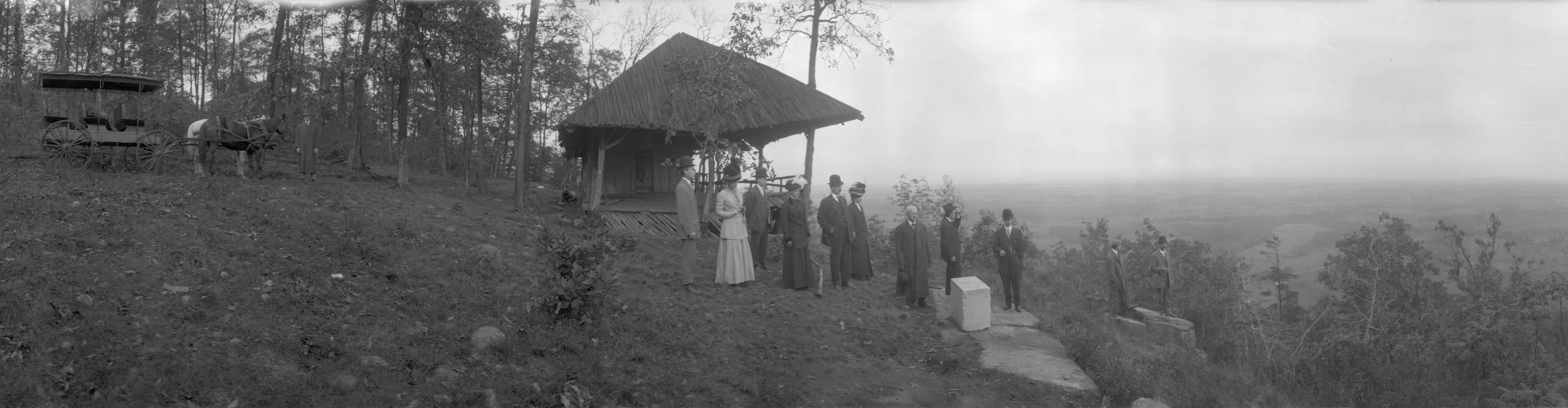
The Eastern Overlook ca. 1902-1910
Sources:
The Captain Departs by Thomas Pitkin
Grant’s Final Victory by Charles B. Flood